
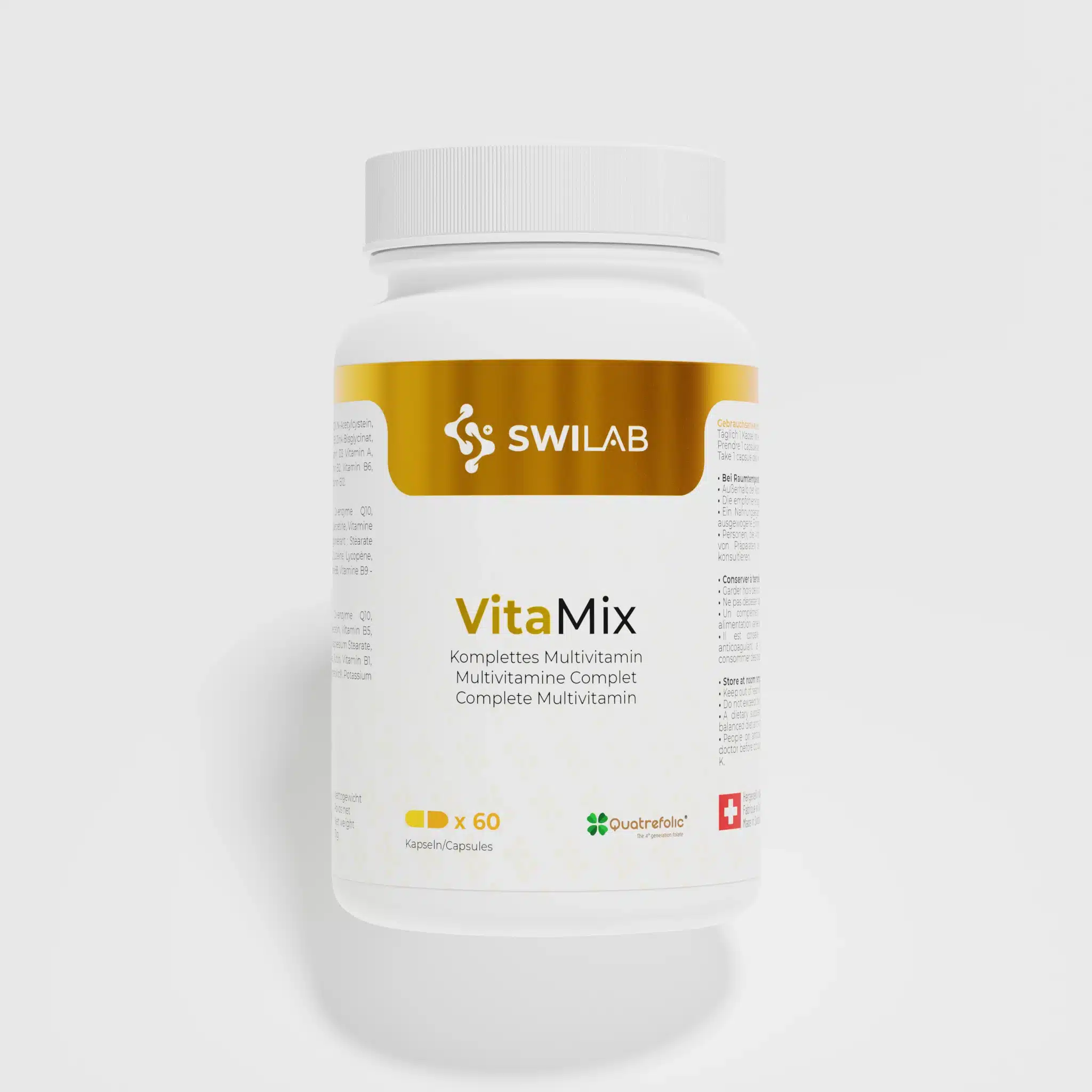
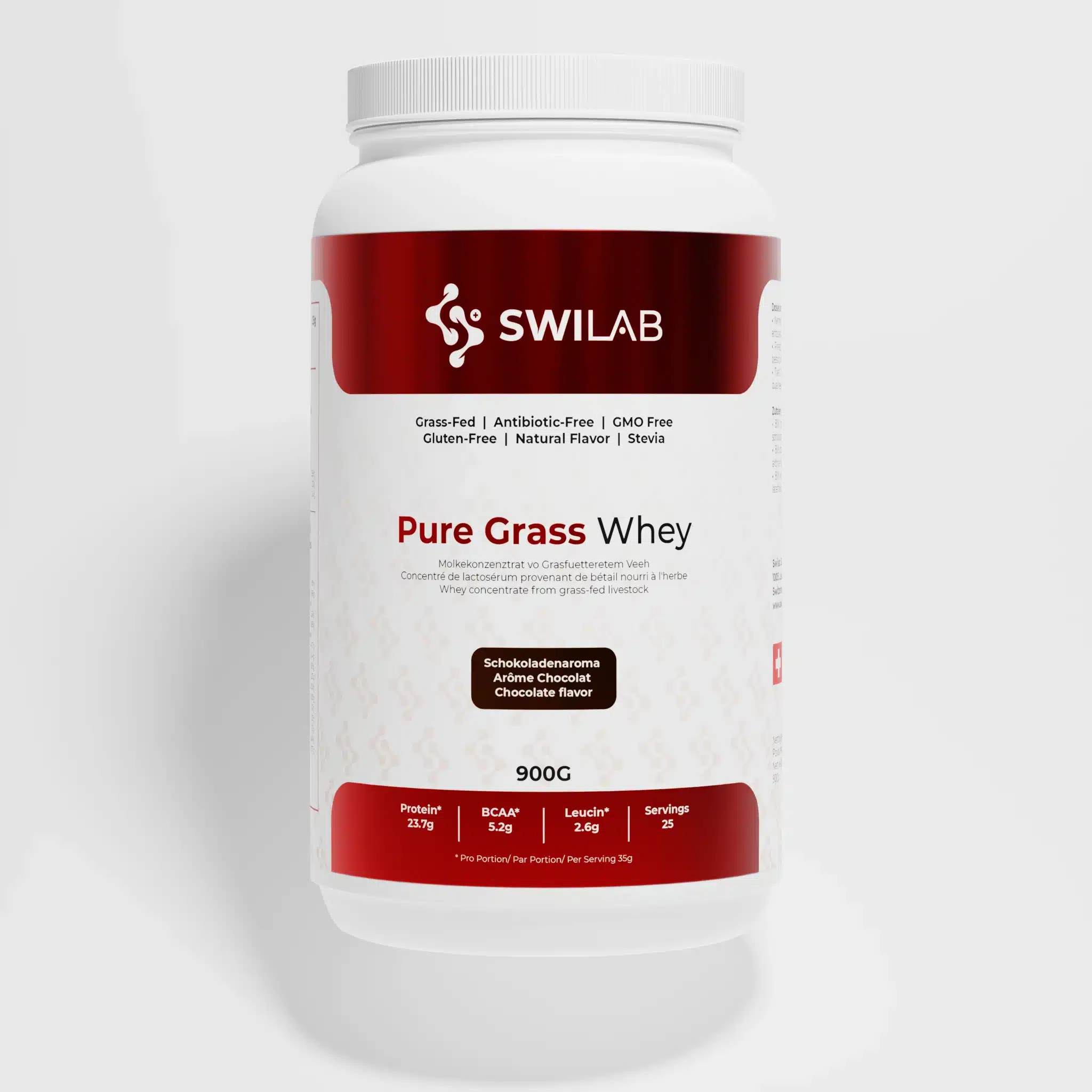
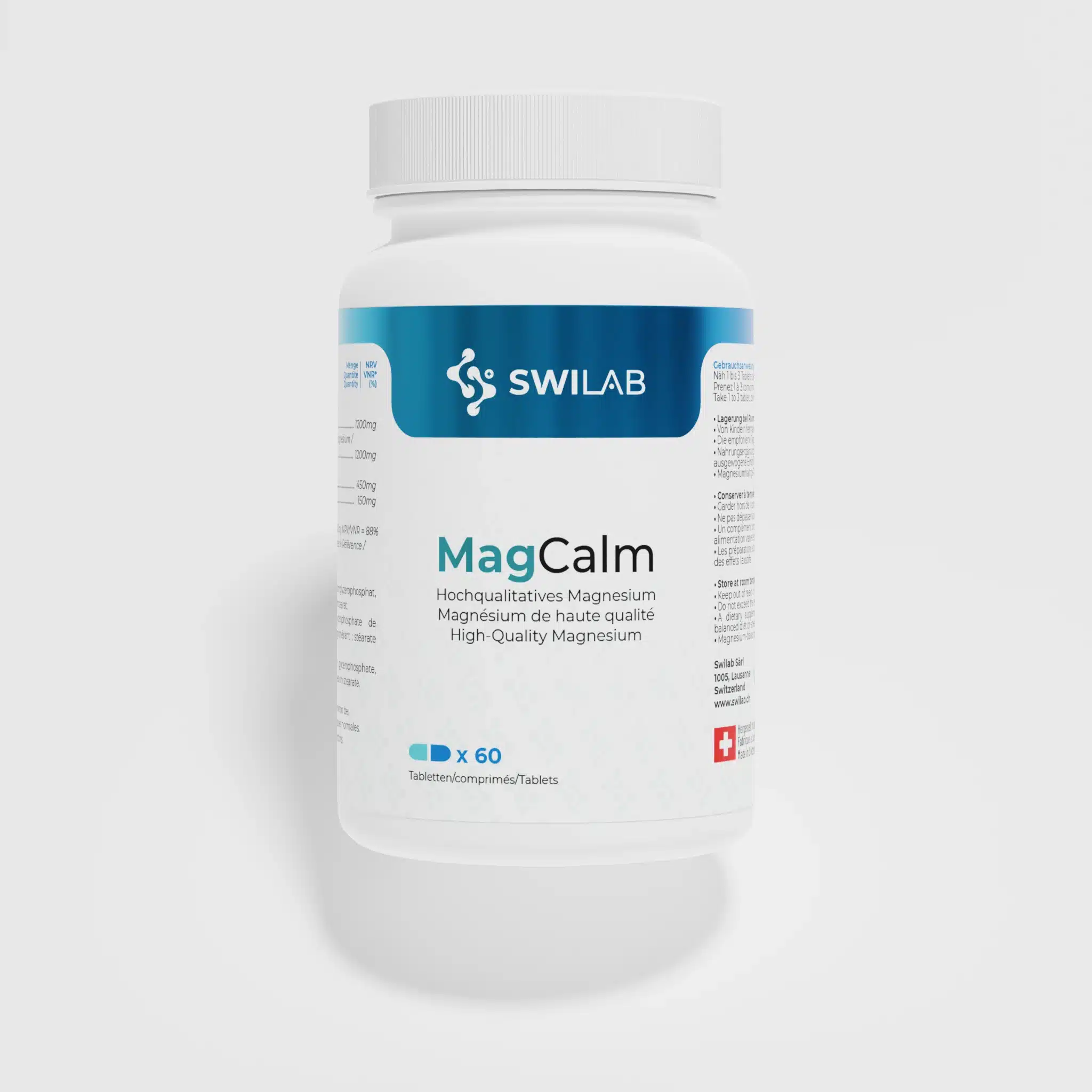
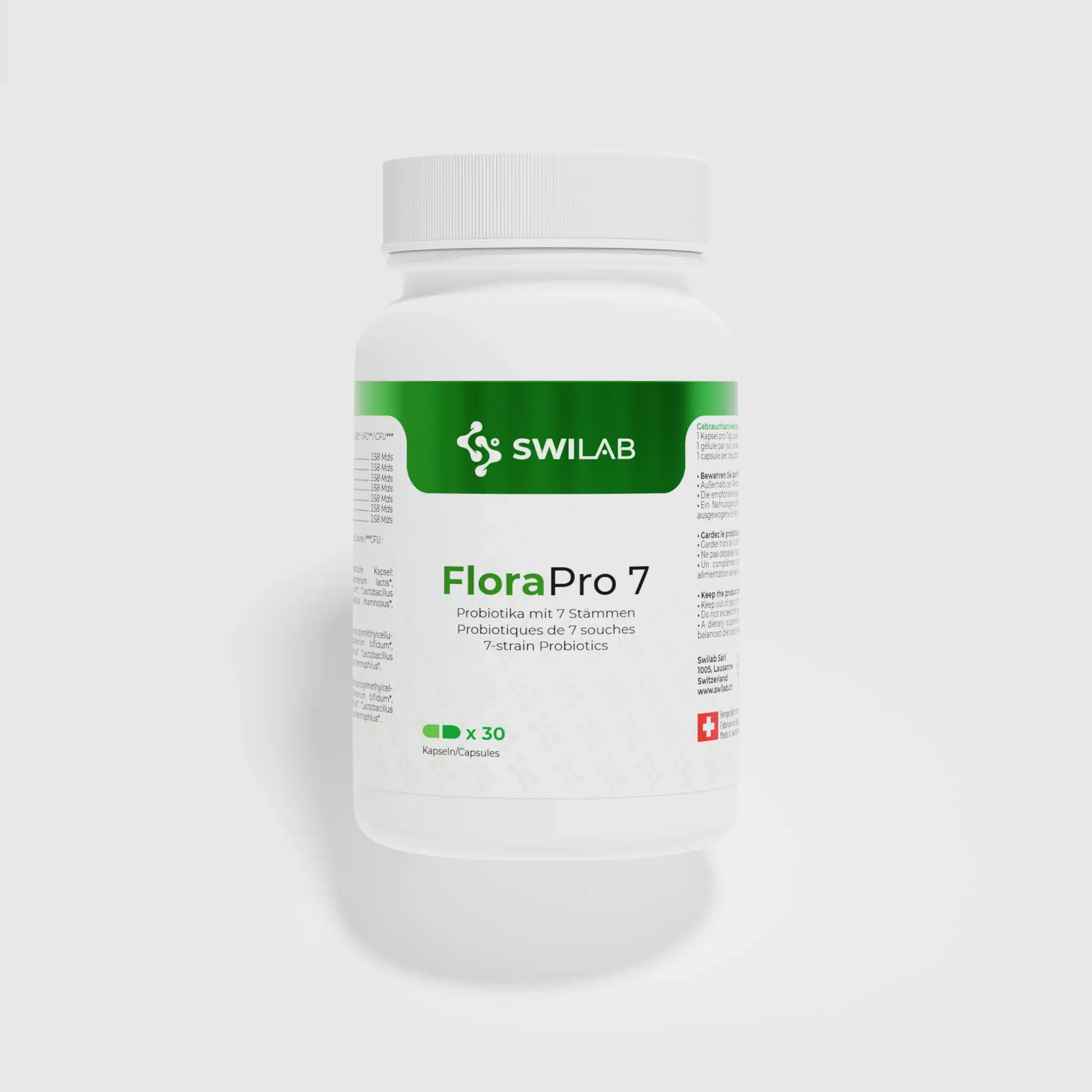




Our essential dietary supplements

Scientifically formulated and made in Switzerland, our supplements rich in essential vitamins and amino acids effectively support your health and well-being.

Swiss made
Shop

Discover the SwiLab range

GMP-certified production
100% formulated in Switzerland
Evidence-based science
Batch-by-batch traceability
Swiss Made

Supplements designed for your real needs

Looking for reliable products? SwiLab develops research-based formulas in Switzerland, with targeted dosages, optimal tolerability and full transparency.

Clarity Traceability Real results
Swiss alpine landscape
SwiLab laboratory

Our method in full transparency

You deserve to understand how our products are developed. Discover the steps that make the difference.

1. Evidence analysisAll our formulations start from published data analysis. No vague promises — only solid foundations.
2. Clear formulationSelection of bioavailable active ingredients, targeted dosages and tolerability testing for daily use.
3. Swiss productionGMP manufacturing, batch-by-batch quality control and accessible monographs for full traceability.

Why choose SwiLab?

Because you deserve supplements that combine scientific rigour with visible results.

Clarity

Simple labelling, understandable information, practical guidance.

Quality

GMP-certified production and rigorous traceability for every batch.

Reliability

Formulas built on science, not on passing trends.

Real results

Energy, recovery, digestive and immune balance.

Ready to make the right choice?

Explore the SwiLab range and find the supplement that fits your everyday needs.

Discover our products
Institutional Partners

SwiLab supports AthleVaud and CNP in developing athletic performance and nurturing the next generation of athletes in French-speaking Switzerland.

Elite athletes. The same standards as ours.

SwiLab supports champions who share our values: measurable performance, nothing superfluous.

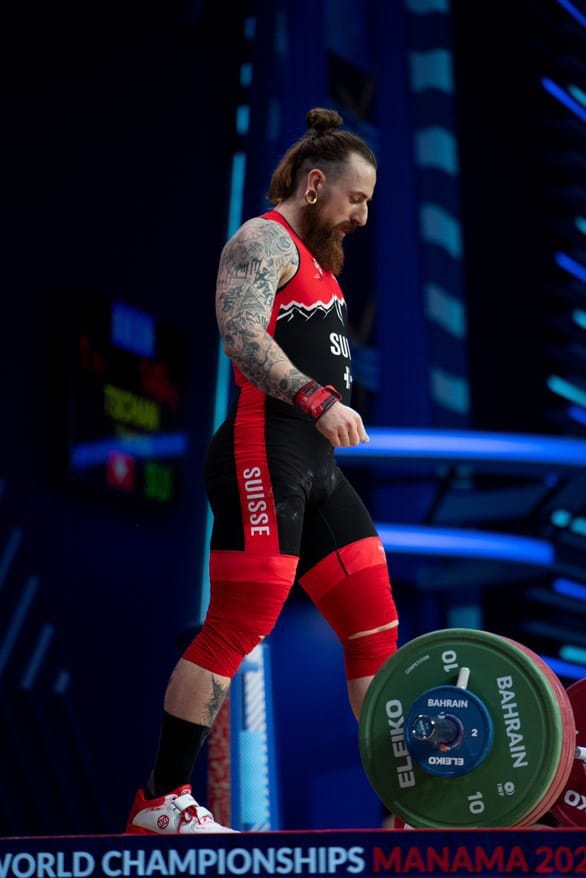
Yannick Tschan competing at an international weightlifting event
🏋️ Weightlifting

Yannick Tschan, the benchmark of Swiss weightlifting

Yannick Tschan is the leading Swiss weightlifter of his generation. An all-around Swiss champion, he has represented Switzerland at more than 9 European Championships and 3 World Championships, setting multiple national records along the way.

His approach to performance is methodical — whether in physical preparation, recovery, or what he puts into his body every day.

"Under the bar, every kilo is earned in training. Nothing is left to chance."

9+European selections
3+World selections
CHNational records
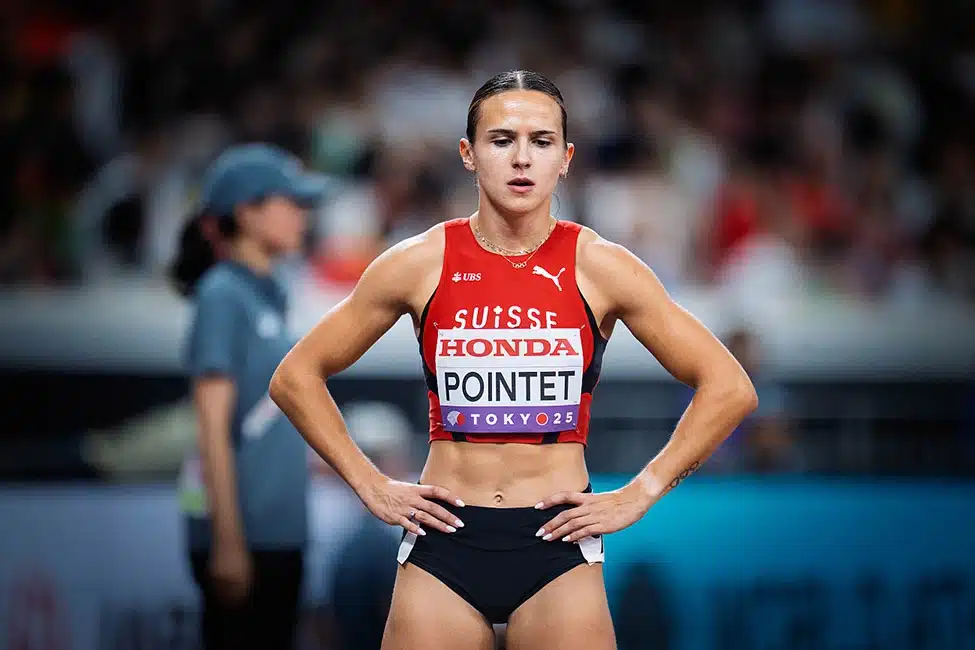
Léonie Pointet competing in a sprint event
⚡ Sprint 100m · 200m · 4×100m Relay

Léonie Pointet, Olympic finalist and reference of Swiss sprinting

From the Paris Games to European finals, Léonie Pointet has established herself as one of Switzerland's most consistent sprinters. Swiss champion over 200m, she has been reaching international finals on the 200m and in the 4×100m relay since 2023.

An athlete who improves every season — from World University Games podiums to Olympic finals, and multiple personal bests indoors in 2026.

"On the track, every tenth of a second is won in training. And off it too."

🥉Euro U23 2023 – 4×100m Relay
OGFinalist Paris 2024 – 4×100m Relay
🥈×2World University Games 2025
CHSwiss Champion 200m & indoor
Free resource

Our probiotics guide

Everything science knows about probiotics — summarised in an interactive guide based on 53+ verified sources.

🇨🇭 Science-based guide — 53+ sources

Probiotics: understand, choose and use the right strains

From the WHO definition to practical protocols — with a personalised quiz, strain comparison table and 53+ verified PubMed references.

Read the full guide
53+
Verified sources
PubMed Cochrane WHO FSVO ISAPP
🧪

Personal quiz

Find the right probiotic for your situation — in 3 simple questions.

Goal
Symptoms
Result

10 sections

~15 MIN
01Definition and mechanism of action
02Gut microbiome and dysbiosis
03Key probiotic strains
04Science-backed benefits
05Choose · Quiz · Compare

What you'll learn

Strain comparison table with clinical indications
Dosage, timing and optimal treatment duration
Protocols: antibiotics, IBS, immune support
Swiss FSVO regulation and quality criteria

Swiss context

FSVO regulation, health insurance coverage and specific quality criteria

What are the benefits of supplements?

Supplements help bridge nutritional gaps when a balanced diet alone falls short. According to EFSA, specific vitamins and minerals contribute to normal immune function, bone health, and the reduction of tiredness — areas where many people in Switzerland show measurable shortfalls.

Whey protein delivers essential amino acids that promote recovery after physical activity. Omega-3 from fish contributes to normal heart function, as confirmed by EFSA-approved claims. Vitamin D supplementation is particularly relevant given that the Federal Office of Public Health (FOPH) reports over 60% of the local population has insufficient levels during winter. Magnesium reduces fatigue and contributes to normal nerve function, while probiotics promote digestive balance.

Collagen peptides are the subject of growing research on skin, hair and joint health, though they do not yet have authorised health claims in Europe. Folic acid plays a critical role for pregnant mothers, especially during the first trimester. Individual health needs vary — consult a healthcare professional before starting any new supplement regimen.

Which supplements are worth taking?

The most worthwhile supplements address a documented need, not a marketing trend. A blood test through your doctor remains the most reliable way to identify a genuine shortfall before purchasing any product.

Whey protein is among the most validated supplements for fitness, providing a complete amino acid profile that promotes protein synthesis after exercise. Vitamin D supplementation is widely recommended by Swiss authorities, particularly between October and April. Purified fish-derived omega-3 contributes to cardiovascular function, with multiple studies confirming its role in reducing inflammation.

Creatine monohydrate is one of the most extensively studied fitness supplements, shown to be effective for strength gains during high-intensity workouts. For people on a vegan diet, vitamin B12 supplementation is essential to prevent insufficiency. Folic acid is critical for expectant mothers to reduce the occurrence of neural tube defects. Prioritise products grounded in peer-reviewed evidence — not exaggerated claims.

How to choose the right supplements?

Selecting the right supplements requires a structured approach rather than impulse buying. Start by consulting a healthcare professional to identify specific insufficiency risks through laboratory analysis. The Swiss Society for Nutrition (SGE) provides guidelines on recommended daily needs that serve as a reliable baseline.

Evaluate product quality carefully: look for brands that follow Good Manufacturing Practices (GMP) and provide full transparency on composition and dosage per serving. In Switzerland, food supplements must comply with the FSVO ordinance — a legal framework that protects consumers but does not replace personal verification.

Consider the right form for your needs: whey protein powder for post-workout recovery, tablets for daily vitamins, capsules for omega-3, or liquid formulations for faster absorption. Pay attention to bioavailability — magnesium bisglycinate, for example, is better tolerated than oxide forms. Avoid products with proprietary blends that hide composition details. Compare prices in CHF per dose, not per box.

What are common dietary supplements?

The most common supplements fall into several categories: vitamins, minerals, protein powders, omega-3, and herbal products. Each serves a specific purpose depending on personal goals and dietary restrictions.

A daily multivitamin provides a broad spectrum of essential vitamins and minerals — including vitamin D, calcium, and zinc. Whey protein is the most popular food supplement in the fitness market, delivering high-quality protein with a complete amino acid profile. Fish-derived omega-3 contributes to normal heart function and cognitive function.

Probiotics promote immune balance and digestive well-being. Creatine is widely used for strength work. Coenzyme Q10 plays a role in energy production at the cellular level, though it does not yet have authorised health claims in Europe. Vitamin B12 is indispensable for people following a vegan lifestyle, and folic acid remains critical during pregnancy.

Are there risks with supplements?

Supplements are generally safe when used correctly, but they carry real risks when misused. Exceeding the recommended dosage of fat-soluble vitamins — particularly vitamin A and vitamin D — can lead to adverse effects and toxicity over time.

Certain compounds interact with prescription medicine. Mineral supplements can reduce the absorption of thyroid medication; omega-3 in high doses may affect coagulation. EFSA sets tolerable upper levels for most vitamins and minerals — exceeding these thresholds increases risk without additional benefit.

Expectant mothers should exercise particular caution, as certain herbal supplements may present concerns during pregnancy. Natural does not automatically mean safe — plant-derived substances can also be overdosed. Read labels carefully, verify claims, and never replace a balanced diet with supplementation alone. Always consult a doctor before starting any new regimen.

How do supplements support fitness?

Supplements play a supporting role in optimising performance, recovery, and long-term physical well-being. Whey protein remains the gold standard for post-workout nutrition — its rapid absorption delivers amino acids directly to muscles when they need it most, promoting protein synthesis and reducing recovery time.

Creatine monohydrate is the most researched fitness supplement in the literature, with meta-analyses confirming its effectiveness for increasing strength output during high-intensity workouts. BCAAs (branched-chain amino acids) help reduce exercise-induced fatigue and accelerate recovery between sessions.

For sustained energy levels during physical activity, B-vitamin complexes and magnesium contribute to normal metabolism and nerve function. Fish-derived omega-3 promotes joint well-being and helps manage inflammation after intense effort. Collagen peptides maintain connective tissue integrity — relevant for athletes concerned about long-term mobility. Prioritise products confirmed by peer-reviewed research.

What supplements are good for weight loss?

No supplement replaces the fundamentals of weight management: caloric deficit, balanced nutrition, and consistent physical activity. However, certain products can assist when used as part of a structured plan.

Whey protein is one of the most evidence-supported supplements for body weight management. Research demonstrates that higher protein intake promotes satiety, preserves lean mass during caloric restriction, and maintains energy levels throughout the day. Fibre supplements promote digestive well-being and help control appetite by prolonging the feeling of fullness.

Green tea extract contains catechins and caffeine, which may modestly increase thermogenesis. L-carnitine facilitates the transport of fats for energy production, though its effects remain modest in clinical settings. Be cautious of products making bold weight loss claims without peer-reviewed evidence — EFSA has rejected the majority of such assertions. Always consult a healthcare professional before starting any weight management supplement.

What are the delivery times and costs?

Dispatch within 24 working hours. Typical delivery time in Switzerland: 48–72 hours. Shipping options and costs are shown at checkout. Free shipping from 99 CHF.

Return and refund conditions?

Returns are only possible for damaged or defective products if SwiLab is responsible for the damage. Products must be in their original condition, unused and unopened.

Claims regarding a missing or damaged product must be made within 24 hours of receipt. After this period, no claims will be accepted. Full conditions: General Terms and Conditions.

How to contact us?

Via the contact form or by email. We respond within 24 working hours.

Scientific sources & references

This content is based on official institutional sources and current scientific evaluations (as of 2024).

1

EFSA — EU Register of Nutrition and Health Claims

Official register of authorised health claims for vitamins, minerals and other substances.

View register
2

NIH — Office of Dietary Supplements

Comprehensive fact sheets on vitamins, minerals and supplement safety.

Browse ODS
3

FOPH — Vitamin D Status in Switzerland

Federal Office of Public Health data on vitamin D insufficiency prevalence.

Read FOPH data
4

FSVO — Food Supplements Regulation in Switzerland

Federal Food Safety and Veterinary Office guidelines on compliance and labelling.

View FSVO
5

SGE — Swiss Society for Nutrition: Recommendations

D-A-CH reference values for daily nutritional intake.

View SGE
6

JISSN — Creatine Supplementation Meta-Analysis

Peer-reviewed meta-analysis on creatine effectiveness. Journal of the ISSN.

Read research
7

AJCN — Protein, Satiety and Weight Management

Studies on protein intake and lean mass preservation. American Journal of Clinical Nutrition.

Access journal