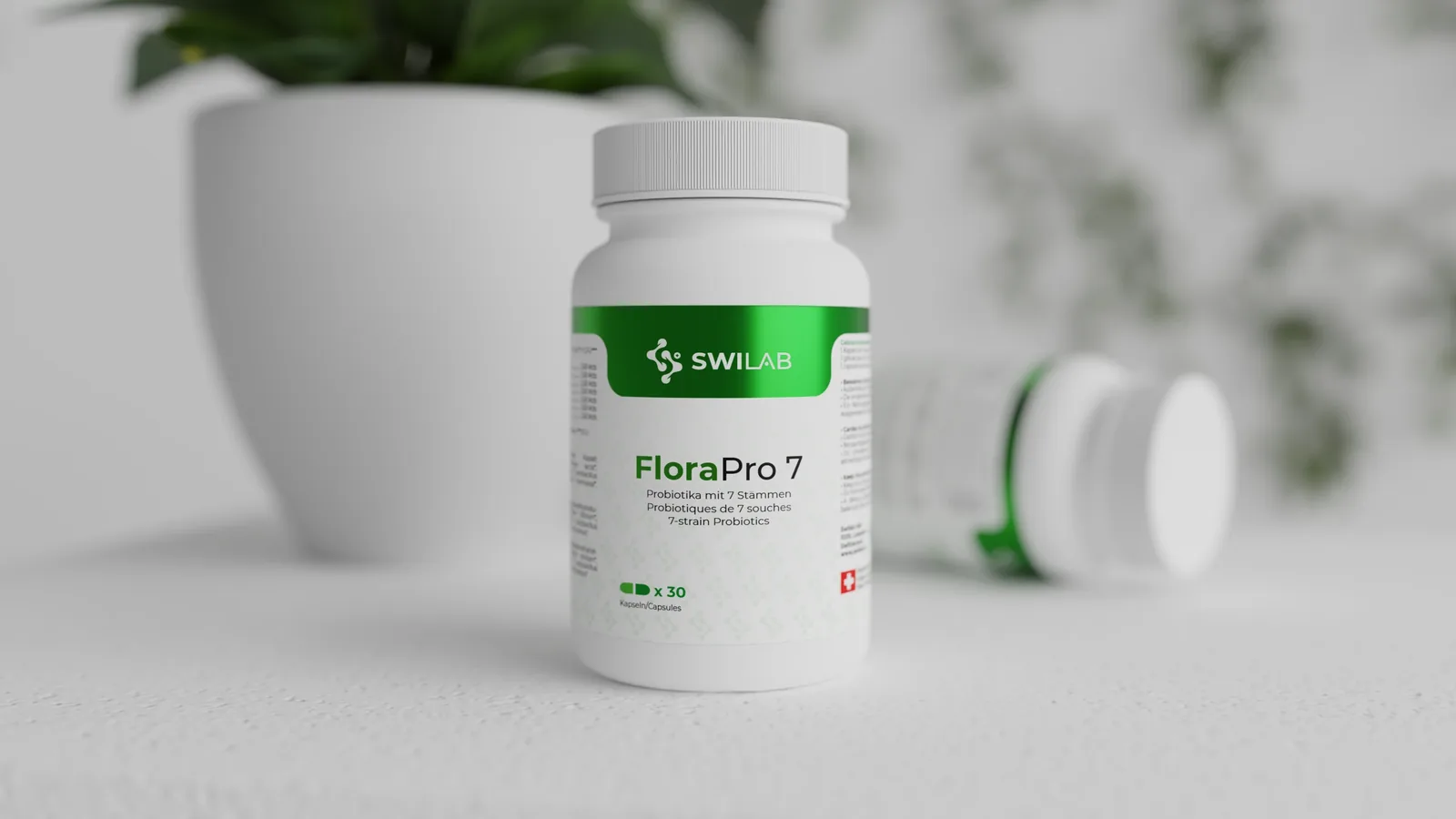
Probiotics
Probiotics guide
Strains, CFUs, gastro-resistant capsules: understand what makes a course effective on gut flora and immunity.
Open the guide
Five pillar topics, probiotics, multivitamins, food supplements, magnesium and whey, and over 220 evidence-based topic pages on gut flora, micronutrients, how to take them and proper dosage. One rule only: we write what the science supports, and nothing else.
Five pillar guides: probiotics, multivitamins, food supplements, magnesium and whey protein. Choose a topic; the full index of every page is further down.
Strains, CFUs, gastro-resistant capsules: understand what makes a course effective on gut flora and immunity.
Open the guide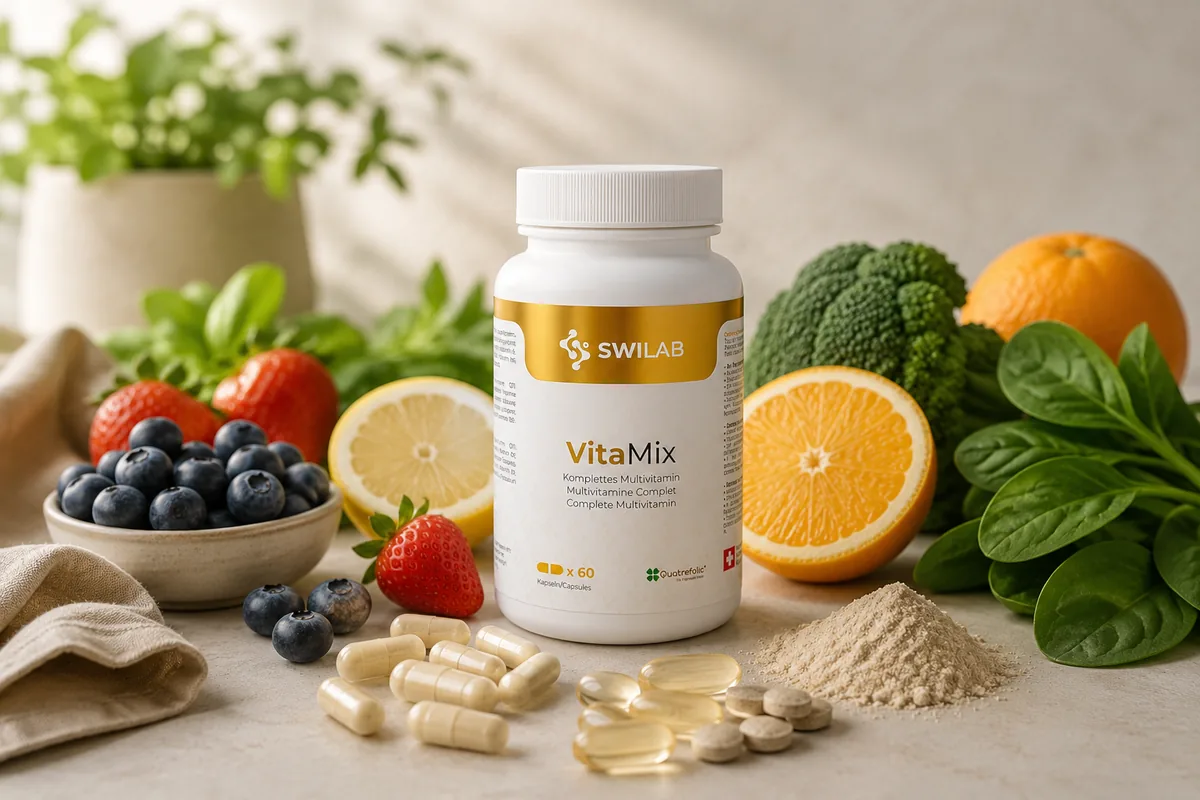
Vitamins, minerals, trace elements: the full daily micronutrient spectrum: effects, dosages and how to choose by profile.
Open the guide
Vitamins, minerals, omega-3, plant extracts: the generic supplements guide: how they work, courses, choosing and Swiss law.
Open the guide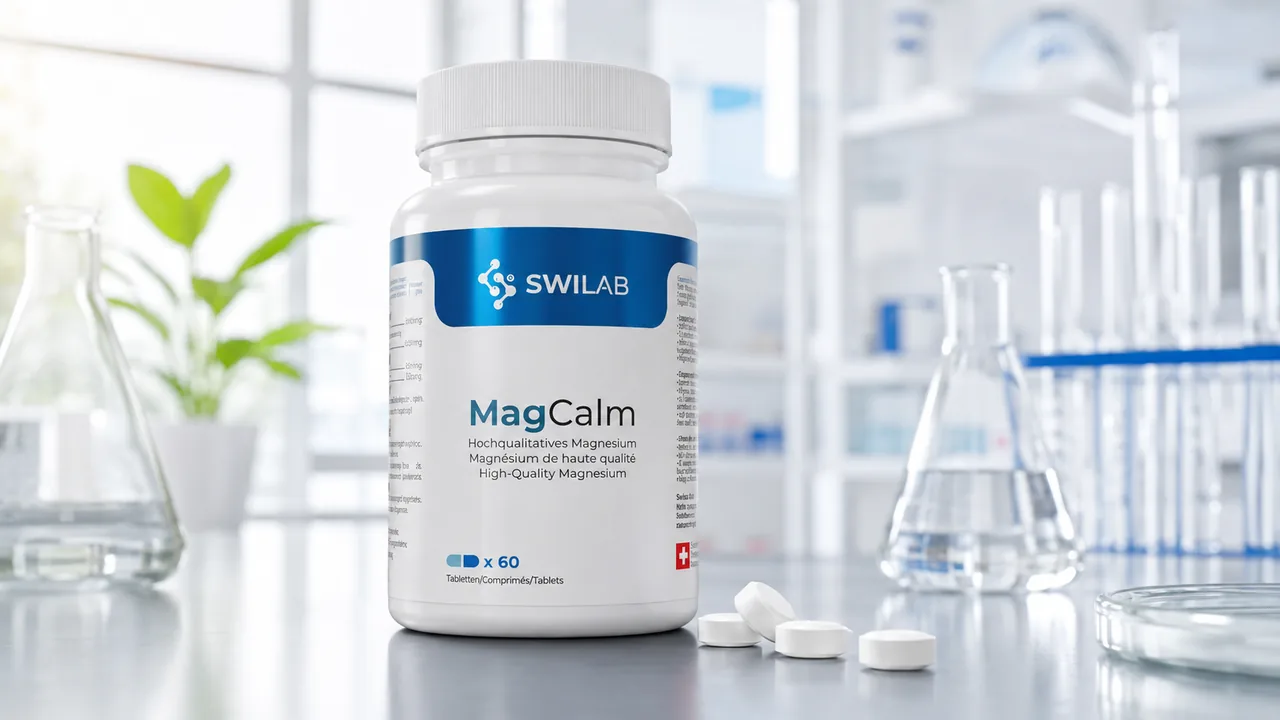
Bisglycinate, citrate, malate: forms, dosage and ideal intake of magnesium: for fatigue, cramps, stress and sleep.
Open the guide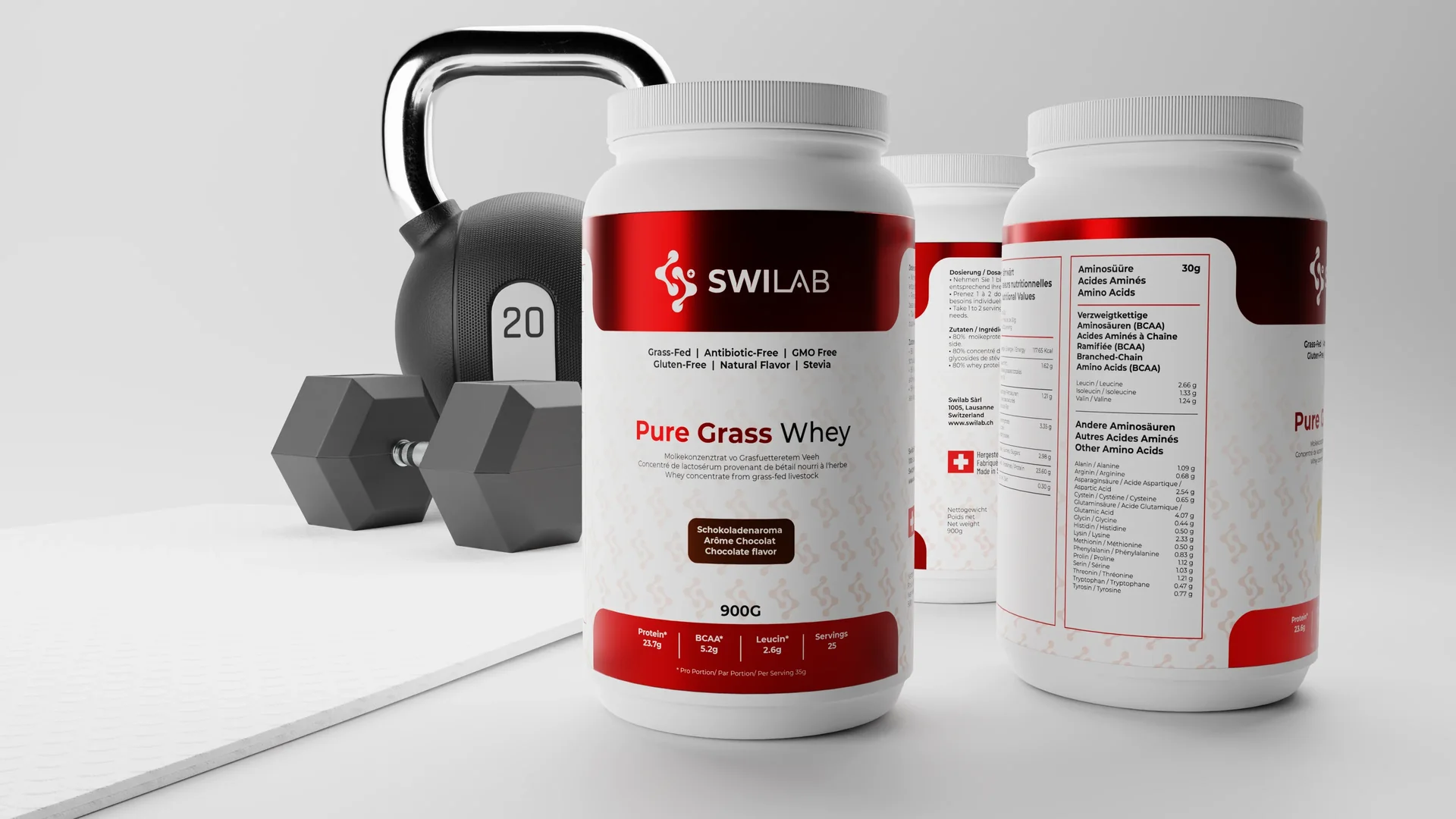
Concentrate, isolate, hydrolysate: production, benefits and intake of whey: for muscle growth, recovery and protein intake.
Open the guideThe food-supplement market is flooded with marketing claims, vague dosages and poorly bioavailable forms. Faced with this murkiness, we built guides that answer a single question: what is actually proven?
Every article is written so that non-specialist readers can understand the mechanisms, identify their needs and make an informed choice: without falling for exaggerated promises. Our guides do not replace medical advice; they summarise the available scientific literature to give your thinking a solid framework.
The pillar guide shown above structures all of our editorial content on probiotics. It spans over 45 topic pages: biological mechanisms, timing, dosages, strain selection, interactions, specific population groups and Swiss regulations.
Every guide is produced using the same three-step protocol:
Current publications: PubMed, EFSA, FSVO, official monographs. Priority on systematic reviews and meta-analyses.
A single study does not make a truth. We distinguish established consensus, emerging findings and unconfirmed hypotheses.
No unnecessary jargon, reviewed by our editorial team. One precise question per guide, with a reasoned, evidence-based and nuanced answer.
We avoid three mistakes common in this industry:
When a recommendation depends on individual context (health status, ongoing treatments, diet, pregnancy), we refer you to a professional rather than offering a one-size-fits-all answer.
SwiLab is a Swiss food-supplement brand, formulated and made in Switzerland to GMP (Good Manufacturing Practice) standards. Our stance: clarity, traceability, concrete results. We publish the monographs of our active ingredients, state real dosages (not just theoretically recommended values) and favour bioavailable forms supported by the scientific literature over cheap versions overloaded with excipients.
Three ways in, depending on your needs:
All our guides are updated as the scientific literature evolves. The date of the last revision appears at the end of each article.
No. They are information resources, not prescriptions. Before a longer course, with a medical condition, during pregnancy or while on medication, please consult a healthcare professional.
Because they meet the criteria we defend editorially (bioavailable form, effective dosage, transparent labelling). We do not hide the conflict of interest: it is clearly disclosed. We also point to external references when a product is missing from our range.
We use assistive tools for formatting, but the scientific content (choice of sources, emphasis, weighting of claims) is reviewed and approved by our editorial team. The guides are signed and editorial responsibility is taken.
At least once a year, and more often when the scientific literature on a topic evolves significantly: for example after a new EFSA or FSVO opinion.