Made in Switzerland
Full traceability
Quality
Made in Switzerland
Full traceability
QualitySecure payment
3-D Secure
SecuritySwiss Post 24–48 h
Fast dispatch
FastResponsive support
Clear answers
Help
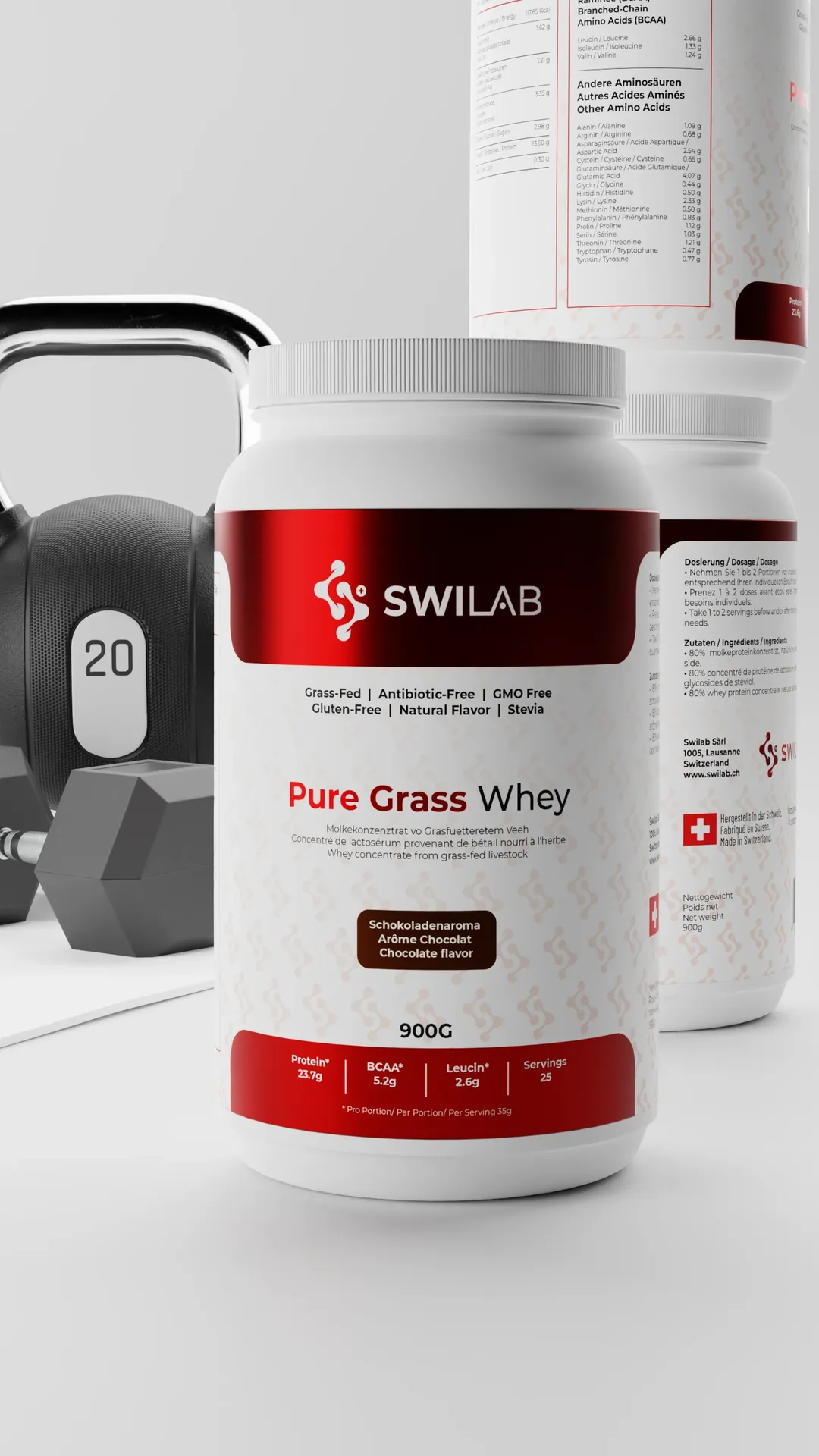
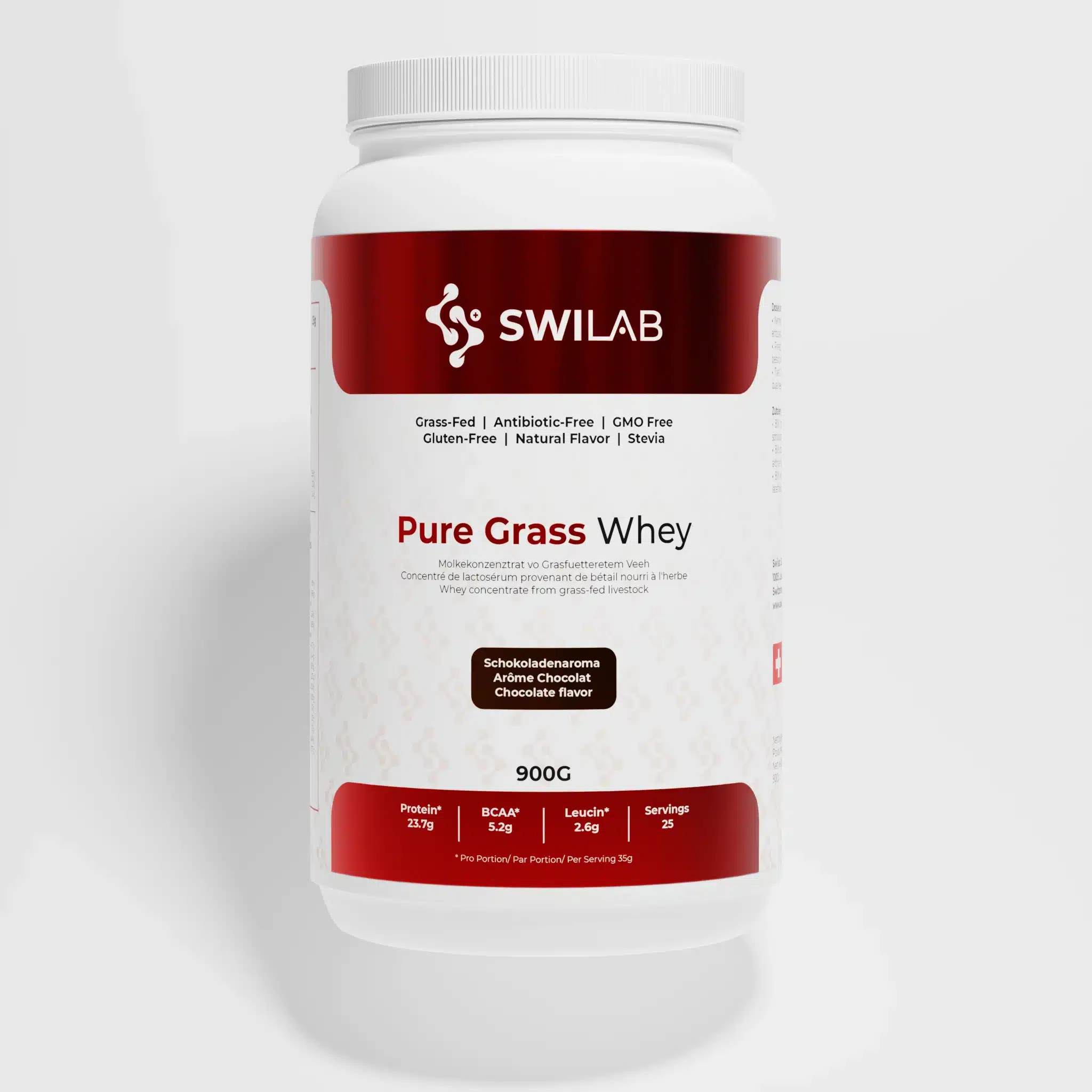
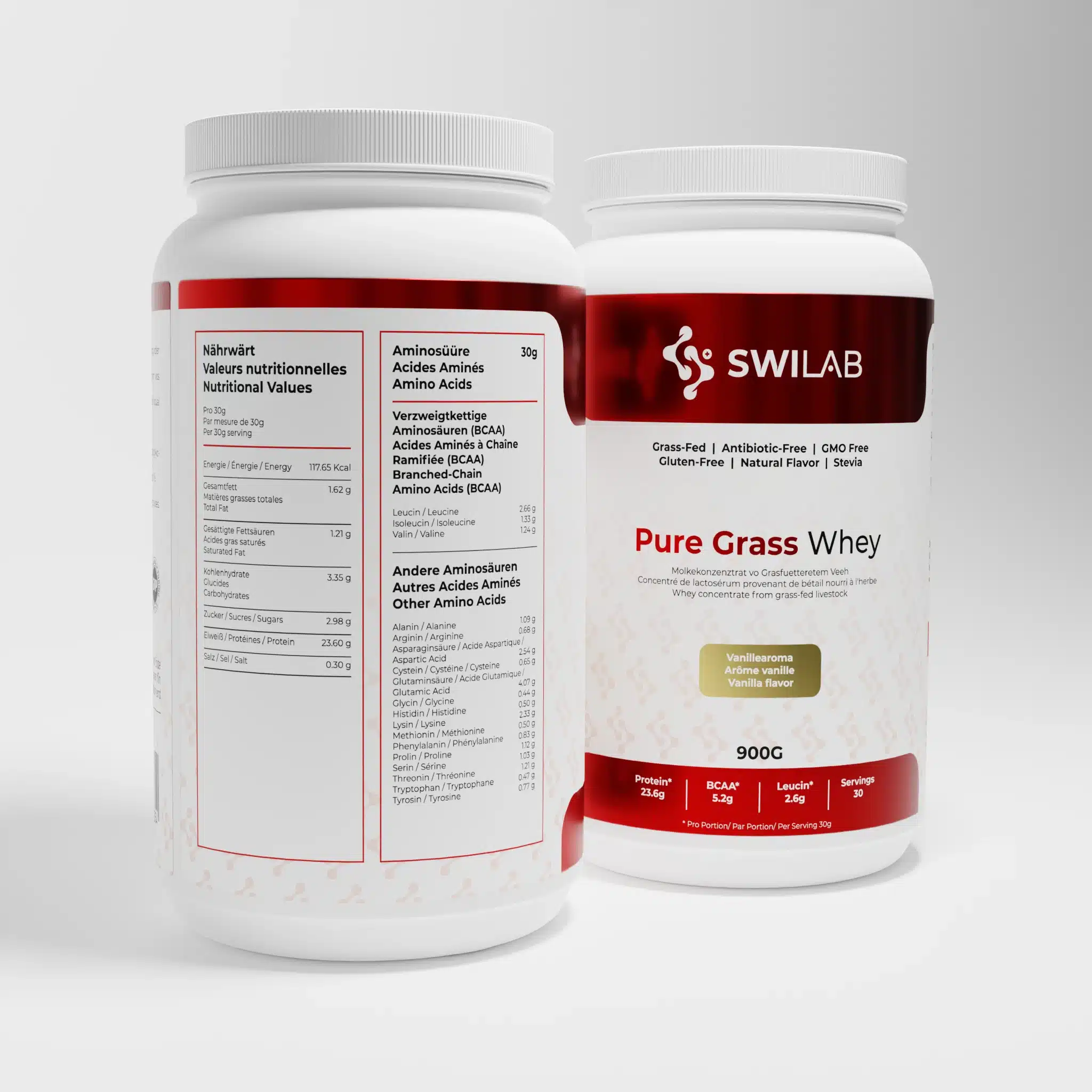
Whey comes from milk. It is derived from whey liquid — a by-product recovered during cheese-making. This liquid is then filtered and dried to obtain a concentrated powder. It naturally contains BCAAs that support physical performance.
Biochemically, it mainly consists of soluble fractions such as beta-lactoglobulin and alpha-lactalbumin, which are rich in essential components.
This natural protein is widely used in sports nutrition, as it quickly delivers building blocks of high biological value. Thanks to its nutritional richness, it supports functions related to physical exertion and contributes to overall wellbeing.
It naturally contains a high concentration of BCAAs derived from its raw material. An appropriate amount provides a significant and quickly absorbable supply.
These contributions support:
Scientifically, the intake stimulates protein synthesis through its high leucine content — a key amino acid. A quality protein actively contributes to nutritional stability and weight management.
There are several forms, all derived from the liquid obtained during cheese production. They differ mainly by their level of filtration.
Concentrate: generally contains 70–80% protein with a moderate amount of naturally occurring sugars. It offers an excellent balance of naturalness, nutritional value and cost.
Isolate: more filtered, providing a higher protein concentration and a very low sugar content. Often exceeds 85–90% and is better suited for those sensitive to lactose.
Hydrolysate: partially pre-digested through enzymatic treatment, allowing faster absorption of nutrients. This type is often preferred for its ease of integration into the diet.
For a healthy person, it is not dangerous when consumed in appropriate amounts.
The intakes obtained are considered safe as part of a balanced diet. Scientific studies show that a high intake does not damage the kidneys in healthy individuals.
Reasonable consumption presents no particular risk. Precautions mainly concern people with pre-existing kidney conditions.
The most common adverse effects are related to naturally occurring residues, particularly with concentrated forms.
These effects mainly concern sensitive individuals. Isolate or hydrolysate versions, lower in residues, generally reduce these issues. Excessive consumption may also lead to variations if energy intake exceeds requirements.
To make the right choice:
The price may vary depending on the filtration level. In Switzerland, some products cost between CHF 30 and CHF 60, while premium versions may exceed CHF 70. Clear traceability and an optimal intake guarantee excellent digestibility and lasting effectiveness.
Requirements vary depending on body size and physical activity. In sports nutrition, 1.3 to 1.8 g per kilogram of body weight is generally recommended.
It complements the diet. One serving mixed with water or a suitable drink after training is often sufficient. Adjusting each intake to your goal allows better progression management.
Yes. The intake promotes satiety through hormonal mechanisms such as increased GLP-1 and peptide YY. As part of a structured diet, it can support:
Comparing nutritional details and the price in CHF allows you to make a choice suited to your goals and budget.
Whey, or whey protein derived from cow's milk, is a popular supplement in muscle building. To optimise muscle development, mix one scoop of protein powder in a shaker with water or milk right after your workout. This protein is rapidly digested for efficient absorption, stimulating protein synthesis thanks to its high essential amino acid content.
Protein isolate is suitable for lactose-sensitive individuals, while whey concentrate remains an effective and economical option. The average dosage is 20–30 g per day depending on body weight, training level and goal (muscle gain or weight loss).
Choosing a quality whey is essential: check the whey protein content, minerals, vitamins and the absence of unnecessary additives. If in doubt, consulting a healthcare professional is recommended.
Used correctly, whey aids recovery, supports muscle building and improves athletic performance — safely within a balanced diet.

Découvrez le guide ultime pour réussir votre musculation. Nos experts vous dévoilent les meilleurs programmes, exercices et conseils nutrition pour optimiser votre entraînement et transformer votre corps.

La course à pied est l’une des activités physiques les plus accessibles et efficaces pour
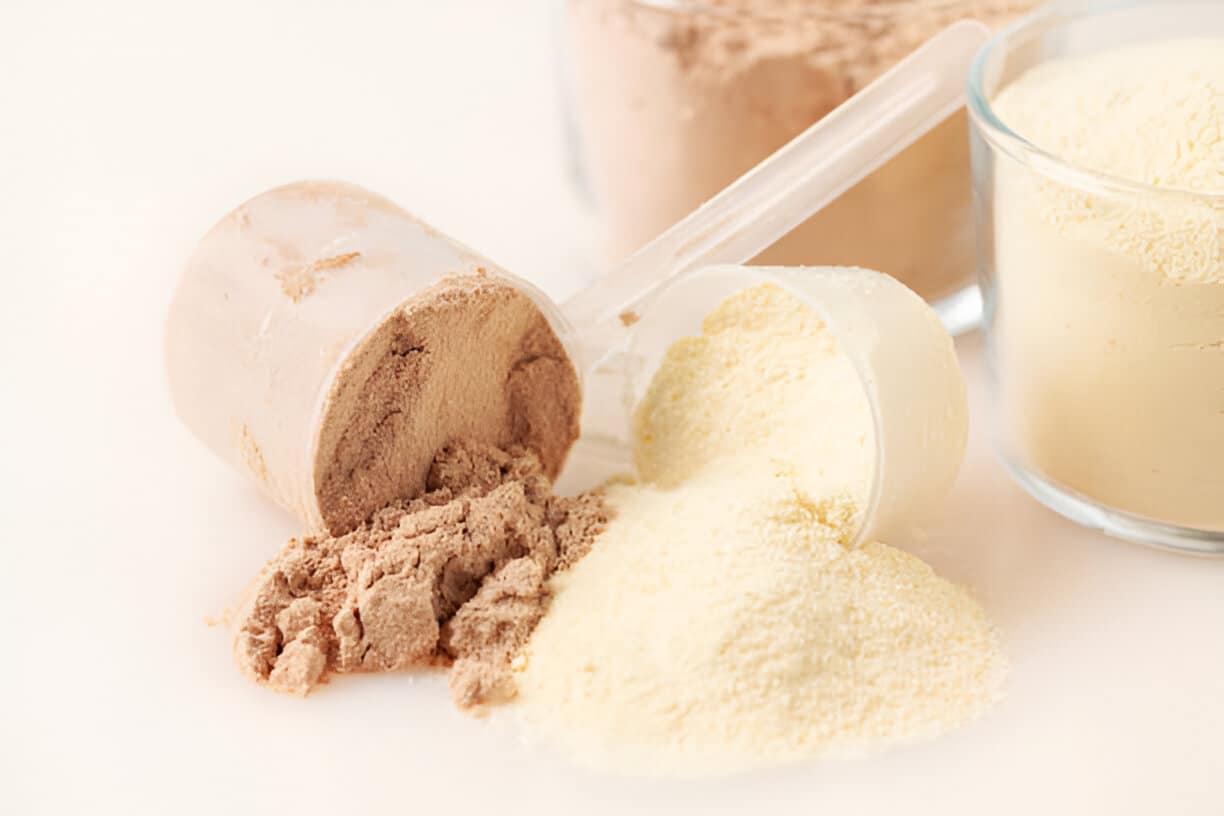
La whey protéine est l’un des suppléments les plus populaires parmi les athlètes et les