
How to Lose Belly Fat for Good: the Science-Backed Method
Forget crash diets and sweat belts. Here's the research-backed strategy for understanding how your body burns belly fat and getting a flatter stomach: for good.
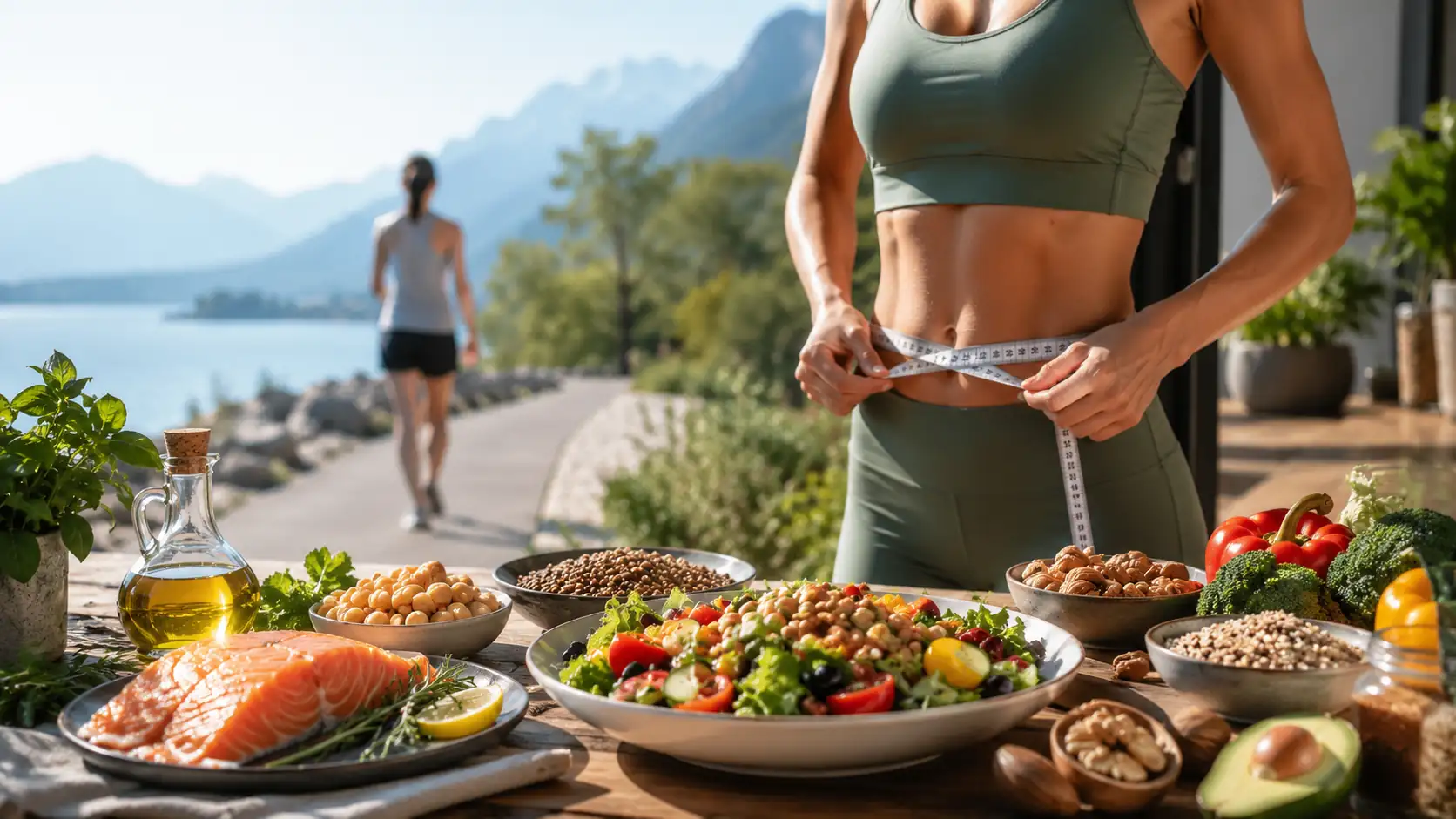
Why is belly fat so stubborn?
Belly fat resists more than the rest because its cells have an imbalance between two types of receptor: some release fat, others hold onto it: a brake further reinforced by insulin. This biology, described as early as the start of the 1990s, remains the international consensus.
Sometimes you lose fat on your face, arms or thighs well before your belly deflates. It's neither an illusion nor a lack of willpower: it's biology. The fat cells of the belly have features that make them particularly resistant to lipolysis: that is, to releasing fat to burn it.
Lipolysis: how the body releases fat
Stored fat doesn't vanish by magic. It first has to be released, carried by the blood, then burned in the muscles. This release process has a name: lipolysis. Picture your fat cells as safes; to open them you need a team of specialised enzymes that cut the fat into usable pieces [1]. Without them, you can run a marathon and the fat stays locked away.
The journey of fat, from storage to burning
Fat doesn't "melt" on the spot: it must first be released, then transported, then burned by the muscles during exercise [1].
The accelerator and the brake of your fat cells
The accelerator
The signal that releases
Adrenaline and the hormones released by the heart during exercise activate a receptor that opens the safe: the enzymes kick in and the fat comes out, heading for the muscles.
The brake
The signal that blocks
A second receptor blocks the opening, even in the presence of adrenaline. Insulin reinforces this block further. The lower belly, hips and thighs have more of them.
The balance between these two signals varies by body area, sex and genetics: that's why some areas "resist" more than others [2].
Third player, and a powerful one: insulin. Every time you consume a fast sugar, a simple carbohydrate (sugary drink, pastry, white bread), the pancreas releases a wave of insulin that sends a clear message to the fat cells: store, release nothing. As long as insulin is high, the body burns little fat. That's why limiting fast sugars helps: insulin drops, and the safes can open.
More of an "apple" or a "pear"?
Not everyone is equal when it comes to fat: some store it on the belly, others on the hips. This difference comes down to biology, and it has been described as a reference classification in endocrinology [3].
Two ways of storing fat
The "apple" profile is riskier for the heart, but it's also the one that responds fastest to good habits [3].
"Apple" profile
The belly fills first
More common in men. Fat builds up deep down, around the internal organs (visceral fat).
"Pear" profile
Hips and thighs first
More common in women. Fat settles directly under the skin, in the lower body (subcutaneous fat).
Excess deep abdominal fat ("apple") isn't just cosmetic: it disrupts the liver (up to fatty liver disease), promotes insulin resistance and raises the risk of type 2 diabetes, high blood pressure and cardiovascular disease (heart disease), undermining overall health. Good news: it's also the fat that responds best to lifestyle changes: a few weeks of good habits are often enough to see your waistline shrink by 2-5 cm.
The detail that changes everything
The heart, when it works, releases hormones that also open the fat safes: a second pathway, on top of adrenaline [4]. So working your heart (brisk walking, cycling, running) switches on two burning engines at once. No need to suffer for it to work.
Step 1: Adjust your plate, the number-one lever
Without a calorie deficit, no other strategy reduces belly fat for good. It's the basic condition, confirmed by forty years of research and by recent large analyses.
The waist circumference (or abdominal circumference) thresholds above which cardio-metabolic risk rises, a marker of central obesity, often more telling than the body mass index (BMI), according to the international consensus: 94 cm in men, 80 cm in women (European population). Above 102 and 88 cm, the risk becomes markedly higher [5].
You can run for an hour a day and do 300 crunches: if your diet creates a surplus and keeps insulin high, the belly won't budge. But "adjusting your plate" doesn't mean "depriving yourself". Ultra-restrictive diets make you lose fast, but much of that loss is water and muscle, not fat [7]. The right strategy: a moderate calorie deficit, achieved by limiting the false friends and favouring protein, fibre and water.
The energy balance: what you eat versus what you burn
Intake < Output → the body draws on its fat reserves.
Tap a scenario to tip the scale ↑
Intake > Output
You eat more than the body burns → the surplus is stored, often on the belly.
Intake = Output
Intake matches output → weight stays stable. This is weight management, maintaining a healthy weight, the goal once you've reached a flat stomach.
Intake < Output
The body burns more than it takes in → it draws on its fat reserves. The only physiological way to lose weight.
Tipping the balance for good is the basis of all fat loss [6].
What deficit to aim for, without counting anything
Neither too much nor too little. One analysis showed that beyond about 500 calories of deficit a day, you start to lose muscle [7]. The right deficit sits between 300 and 500 calories a day, to preserve muscle mass, the kind that keeps burning calories at rest, and thus improve body composition.
A good benchmark: 300-500 fewer calories a day. That's the equivalent of one pastry less, or an extra 45-minute walk. At this pace, muscle is preserved and fat loss stays lasting.
Good news: the levers that follow, reducing sugar intake, favouring protein, adopting the Mediterranean pattern, naturally create this deficit, without weighing anything. A recent large analysis confirms that the most effective strategy combines moderate calorie restriction and regular physical activity [8].
The false friends to limit first
- 1.Sugary drinks (sodas, juices, iced teas). In children, their consumption is associated with more abdominal fat [9]; in adults, liquid sugar pushes the liver to make fat.
- 2.Ultra-processed products (ready meals, industrial snacks, pastries): rich in sugars and refined carbohydrates and in saturated fats, they trigger insulin spikes and empty calories.
- 3.Alcohol, especially beer and sugary cocktails: empty calories, an overloaded liver, direct abdominal storage.
- 4.Excess salt: it doesn't make you gain fat as such, but it promotes water retention. The WHO advises not exceeding 5 g a day.
Limiting these categories for four weeks already produces visible results, even without changing anything else. Stay hydrated too: drink plenty of water, or unsweetened drinks like green tea, aiming for 1.5-2 litres a day; it supports any weight-loss process, a basic pillar like sleep.
The Mediterranean diet: the benchmark
A clinical trial compared three groups over twelve weeks: no intervention, exercise only, exercise plus the Mediterranean diet. Only the combined group showed a clear drop in deep fat and waist circumference [10]. Each pillar of this balanced diet acts on a specific mechanism:
Olive oil and omega-3
Olive oil, oily fish, nuts. Healthy fats reduce inflammation of fatty tissue and improve insulin sensitivity.
Whole grains
Quinoa, oats, brown rice, sweet potato. Their fibre slows sugar absorption, stabilises blood sugar and limits insulin spikes. To favour, not to cut out.
Vegetables, pulses and fruit
At every meal. Fruit and vegetables are rich in fibre and antioxidants. Lentils and chickpeas add low-glycaemic plant protein.
Fish
Two to three times a week. A source of omega-3 fatty acids, iodine and lean protein: salmon, mackerel, sardines, trout.
The simple plate rule
½ vegetables, ¼ protein (fish, poultry, pulses, eggs), ¼ whole grains, all dressed with olive oil. No need to count calories if the make-up is right: fibre and protein naturally regulate satiety.
Protein (eggs, fish, poultry, pulses, dairy) increases satiety, helps avoid cravings and contributes to maintaining muscle mass during weight loss. Aiming for about 1.2-1.6 g per kilo per day is enough: that is, for 70 kg, two handfuls of chicken, two eggs and a protein yoghurt.
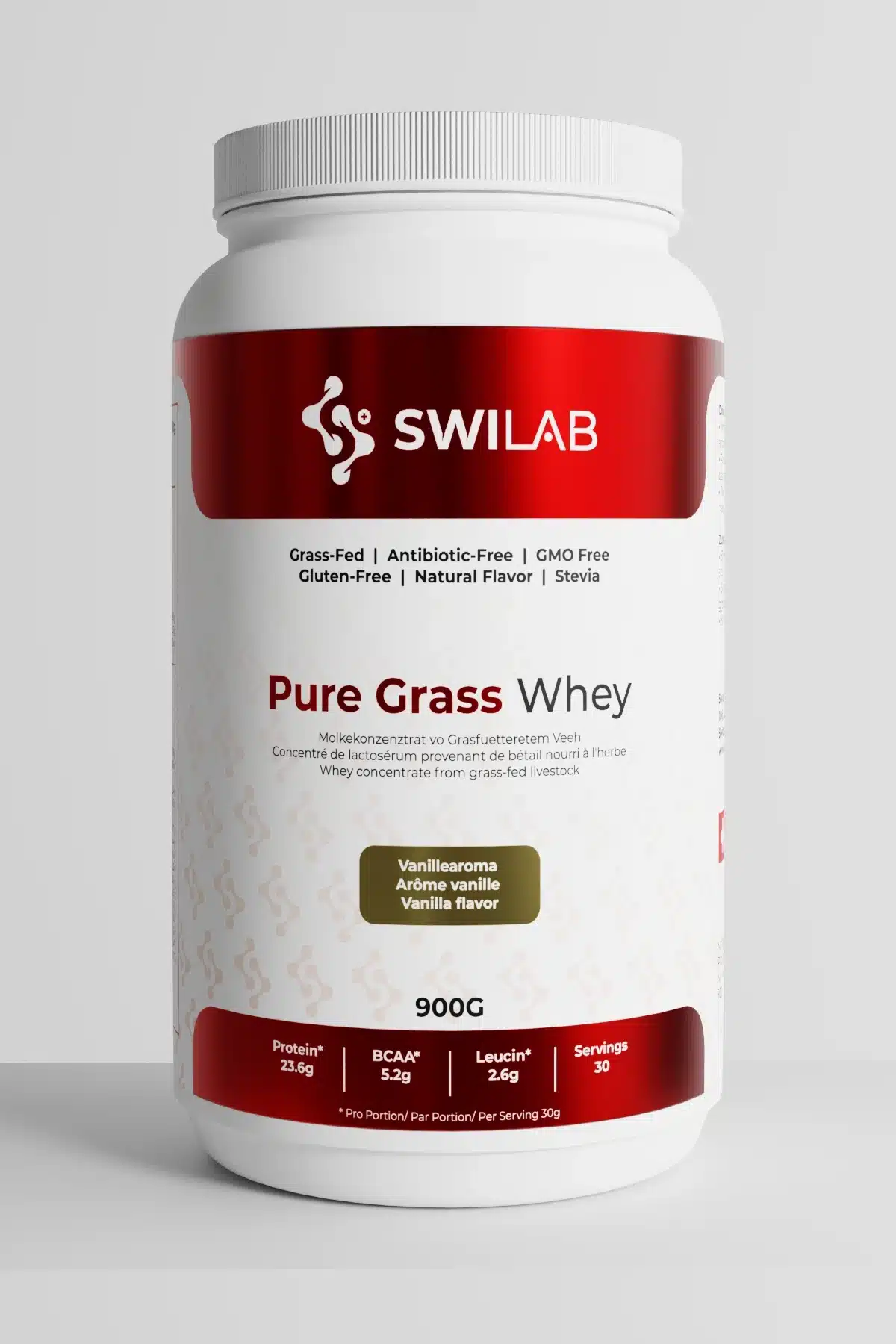
Whey SwiLab: a Swiss protein supplement
Hitting 100 g of protein a day with solid food can quickly become a chore. A quality whey helps top up easily, as a snack or after exercise, without surplus calories.
- 23.6 g of protein per 30 g serving, whey concentrate
- Protein contributes to the maintenance of muscle mass
- Handy as a snack, filling effect
- No added sugars, no artificial flavours
Dietary supplement. It does not replace a varied, balanced diet or a healthy lifestyle.
Step 2: Move: the exercises that really work
To reduce deep (visceral) abdominal fat, the WHO recommends 150 to 300 minutes of moderate-intensity aerobic activity (cardiovascular exercise) per week, or half that at vigorous intensity, supplemented by strength training at least twice a week.
The plate is the number-one lever; movement, aerobic and strength training, comes right after. Here, more myths circulate than truths: hundreds of crunches don't remove belly fat, and neither does running for hours. Here's what recent scientific analyses say.
Which activity for deep fat?
A large analysis reviewed dozens of clinical trials to answer this question [11]. Verdict:
| Type of exercise | Effect on deep fat | Verdict |
|---|---|---|
| High-intensity interval training (HIIT) | Clear reduction | Effective |
| Moderate endurance (brisk walking, cycling, swimming) | Clear reduction | Effective (equivalent result) |
| Strength training alone | Moderate reduction | Essential as a complement |
| Very short sprints | No effect on its own | Disappointing alone |
The dosage identified as optimal: three sessions a week, for 12-16 weeks, with 30-60 minutes for moderate endurance. Above all, remember: the best activity is the one you'll keep up over time. Recent comparisons show no clear advantage of high-intensity interval training over continuous endurance for deep fat.
To start well: the zone that changes everything
The biggest mistake beginners make: running too fast. The body then burns mainly sugar, not fat. To draw on fat reserves, you need to stay in a precise, low-intensity effort range. A maximum heart-rate formula more accurate than the old "220 − age", validated on nearly 19'000 people [14], serves as a starting point. The maximum fat-oxidation zone, "Zone 2", sits around 60-70% of this maximum [15].

Calculate your cardio zones
Enter your age to get your 5 training zones in beats per minute. Formula: 208 − (0.7 × age).
- Zone 1Recovery50-60% · you can sing: BPM
- Zone 2Fat burning60-70% · short sentences possible: BPM
- Zone 3Endurance70-80% · a few words: BPM
- Zone 4Threshold80-90% · hard to talk: BPM
- Zone 5Maximum effort90-100% · impossible to talk: BPM
To lose belly fat, aim for Zone 2: it's the intensity at which the body draws the most of its energy from fat. The higher you go, the more it shifts to sugar. Test: you can speak in short sentences, but not hold a monologue.
A few pointers to start: a heart-rate monitor stops you setting off too fast; the "talk test" is enough to gauge yourself (short but complete sentences = the right zone); brisk walking at 5-6 km/h already puts you in Zone 2; finally, increase duration before intensity: aim for 30 minutes, three times a week, before adding anything more intense.
Strength training: the great forgotten
A large analysis pooling dozens of studies showed that strength training (weight training or bodyweight exercises), even without cutting calories, reduces deep fat, in adults and seniors alike [13]. It helps build muscle, restores insulin sensitivity, strengthens the abdominal girdle and raises basal metabolism: that is, energy use at rest. So the ideal for the belly isn't "endurance or strength", but both.
Should you do crunches?
It's the number-one question, and the answer is clear: targeting fat loss on the belly doesn't work: spot reduction doesn't exist. One study had people do seven abdominal exercises, five times a week for six weeks, at constant calorie intake: no drop in waist circumference or body-fat percentage [16].
What the studies really say
Crunches strengthen the muscle, but don't burn the fat covering it. The body draws on all its reserves at once, not in the worked area. Fat loss happens across the whole body: it takes a calorie deficit, endurance and full strength work. Core training (plank, vacuum) strengthens the deep muscle, the "transverse", that holds the belly in once the fat is gone.
NEAT, the forgotten lever for sedentary people
NEAT is the energy used for everything you do outside of sport: walking, climbing stairs, standing, doing the shopping on foot: in short, daily activity. For someone working from home, it often counts for more than the weekly workout.
That's the maximum NEAT gap between two people of identical build, according to Mayo Clinic work [17]. The difference comes down to job, commuting and leisure: not hours spent at the gym.
Concretely: an office worker who takes the car, the lift and stays seated all day uses little NEAT. The same person who walks during calls, takes the stairs and uses a standing desk two hours a day can double, even triple this expenditure: without breaking a sweat.
Step 3: Master sleep and stress
Lack of sleep and chronic stress slow belly-fat loss, even when your diet and exercise are flawless.
You can eat perfectly and train three times a week: if you sleep five hours a night, the belly won't move. Two lifestyle pillars are systematically underestimated.
Sleep: the proof by experiment
A Mayo Clinic study followed volunteers for three weeks, alternating normal nights and nights cut to four hours. After two weeks of short sleep, abdominal fat, including the deep fat around the organs, increased, even when the weight on the scale barely moved [18]. It was a small trial, not to be over-interpreted, but the message is clear: poor sleep pushes the body to store fat on the belly.
The sleep duration to aim for, at regular times. If you were to change only one thing, this might be it: short sleep doesn't just lead to weight gain, it steers fat toward the belly.
Chronic stress and cortisol
When you're stressed continuously (deadlines, too-short nights, too much coffee), the body releases cortisol, which sends a clear signal to the fat cells: store, especially on the belly. It's a survival mechanism inherited from a time when stress meant imminent danger; today it fires for a difficult meeting, with the same result. What helps, and protects your mental health too: walking in nature, breathing, disconnecting from screens in the evening and, always, sleep. Magnesium also contributes to the normal functioning of the nervous system and to reducing fatigue; it's one of the minerals whose intake is often borderline, particularly in very active or stressed people.
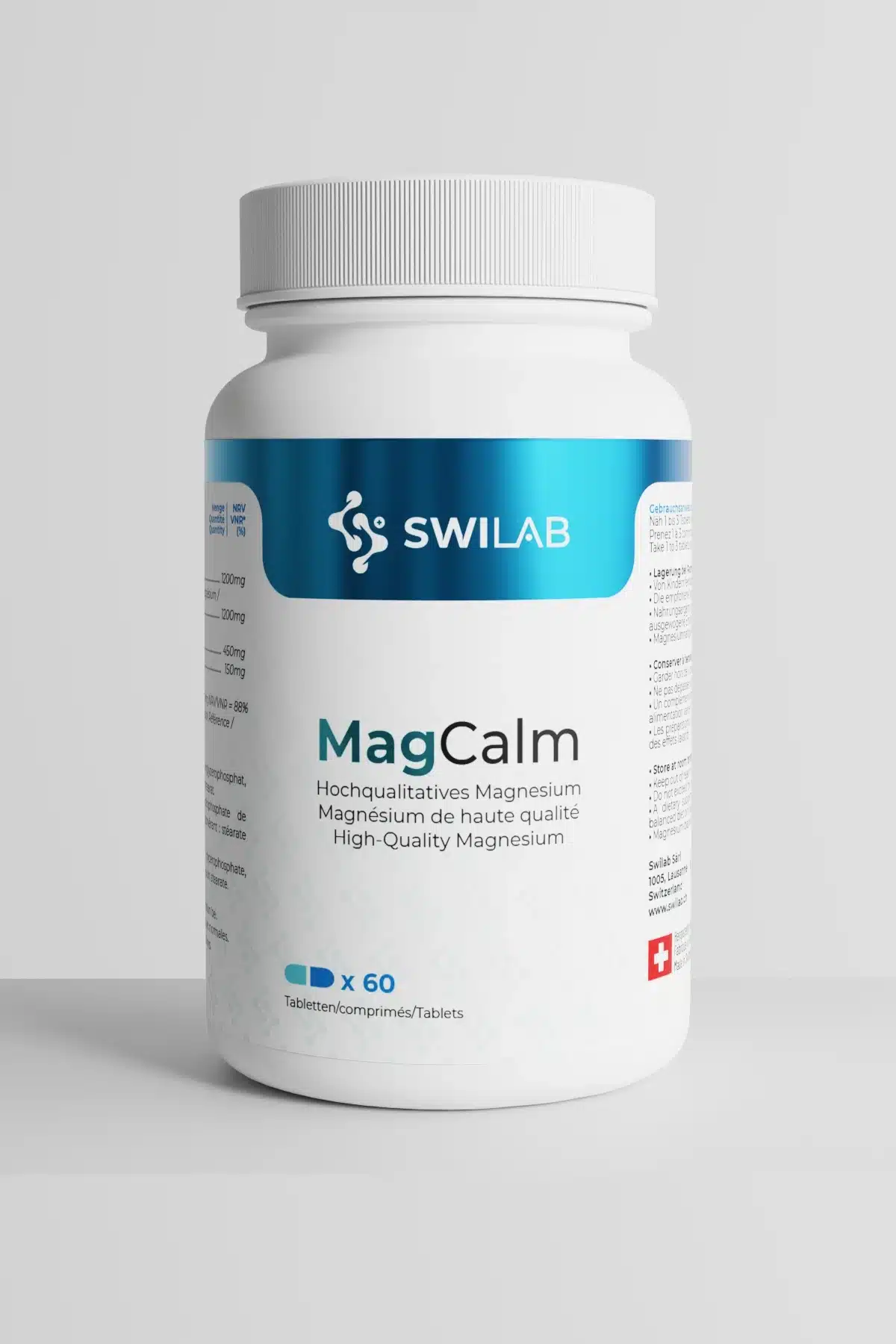
MagCalm: magnesium and recovery support
MagCalm combines three well-absorbed forms of magnesium and taurine in a plant-based tablet, for a comfortable daily intake.
- Magnesium contributes to normal muscle and nerve function
- It contributes to normal psychological function and to reducing fatigue
- 330 mg of magnesium per serving (88% of the reference values)
- Triple form + taurine, good digestive tolerance, plant-based tablet
Dietary supplement. It does not replace a varied, balanced diet or a healthy lifestyle.
Alcohol and tobacco: same category
Alcohol consumption directly sabotages belly-fat loss. So does tobacco: a large genetic study established a cause-and-effect link between smoking and abdominal fat accumulation [19]. Smokers have a slightly lower total weight, but their fat concentrates more on the belly: the riskiest area for the heart.
Bloating or fat?
Is your belly more swollen in the evening than in the morning? It's often due to bloating, not fat. Eating more slowly, limiting fizzy drinks and spotting the foods that bloat you is often enough to deflate within one to three days. Real fat, on the other hand, needs several weeks of deficit to shift.
Perimenopause and menopause: what changes
At menopause, a pivotal stage for women's health, the drop in oestrogen redirects fat storage from the lower body toward the belly, turning a "pear" profile into an "apple" profile metabolically. A recent study observes deep fat on average roughly 50% higher after menopause than before, in women of normal weight: a redistribution largely independent of total weight [20]. Added to this are age-related muscle loss and sleep disturbances. The result: a standard deficit is less sufficient, and the levers recalibrate.
Specific peri/post-menopause strategy
Aim for more protein (1.4-1.8 g per kilo) to preserve muscle; favour strength training with compound movements (squats, deadlifts) over long cardio; look after sleep (magnesium in the evening, a cool room, light in the morning); keep the Mediterranean diet. In case of intense symptoms, discuss hormone therapy with a doctor.
Step 4: Micronutrition to support metabolism
No supplement makes you lose belly fat: only the calorie deficit burns fat. However, some micronutrients are metabolic cofactors: a shortfall can slow it down, especially after 40 or on a restrictive diet.
The idea isn't to take pills to slim down, but to make sure metabolism runs at full capacity. Several micronutrients are often borderline in Switzerland and are directly involved in turning food into energy:
The B vitamins
They contribute to a normal energy metabolism. Magnesium acts as a complement. Sources: whole grains, pulses, eggs, green vegetables.
Iodine
It contributes to normal thyroid function, which sets the speed of metabolism. Often borderline in those who eat few seafood products.
Zinc and selenium
They help protect cells from oxidative stress. Sources: seafood, eggs, Brazil nuts, seeds.
The golden rule: a varied diet remains the primary source of these micronutrients. Green vegetables, oily fish, eggs, pulses and seafood cover most needs. A supplement can act as a safety net in a few cases: a restrictive diet or active weight loss, a vegetarian or vegan diet, after 40, or during periods of stress and intense exercise.
To be clear
No multivitamin makes you lose belly fat. At best, it fills hidden gaps that slow metabolism. Not a magic pill: a support.
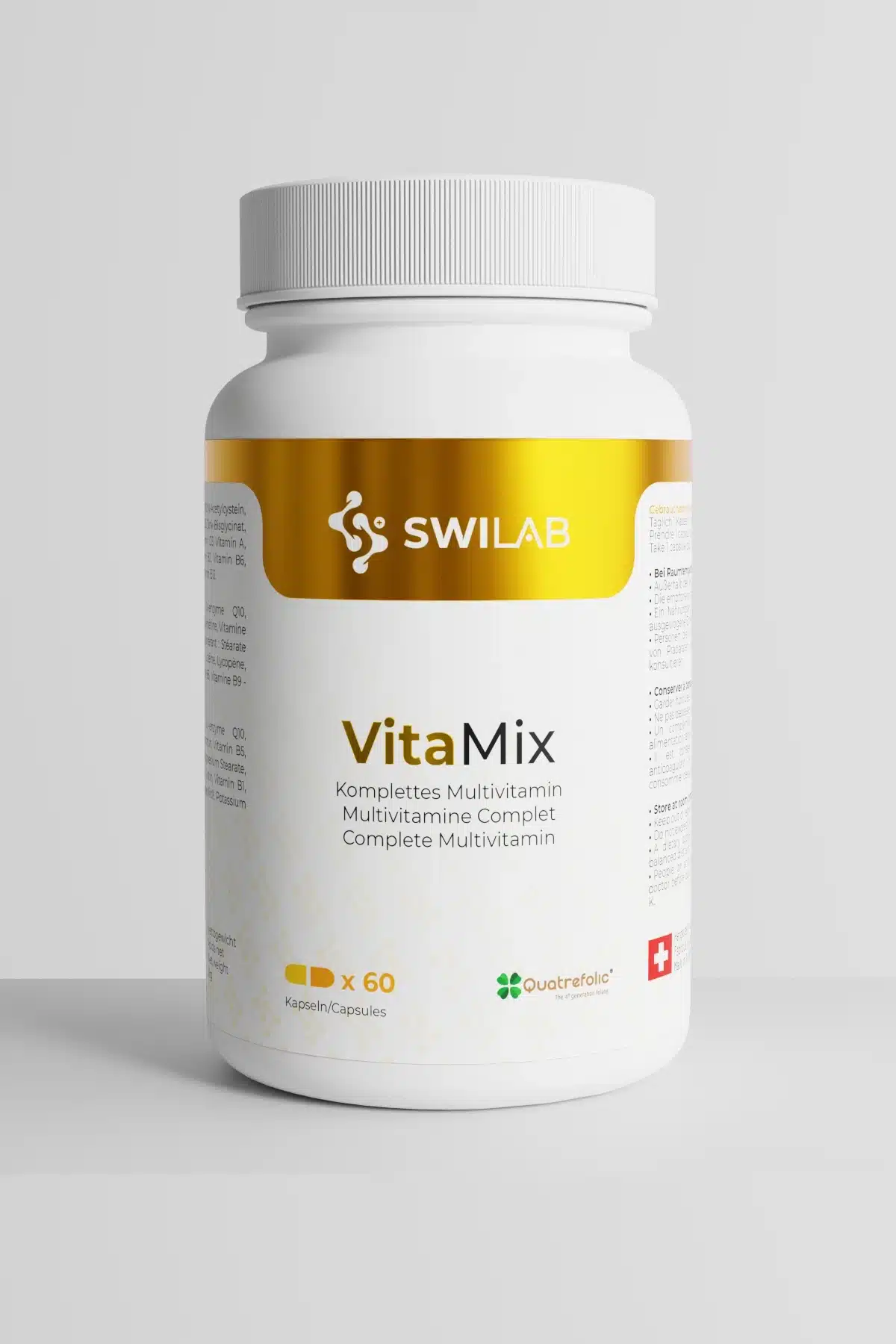
VitaMix: 22 micronutrients to support your metabolism
One capsule a day bringing together key cofactors of the energy chain, in well-absorbed forms.
- 8 B vitamins: contribute to a normal energy metabolism
- Iodine 150 µg: contributes to normal thyroid function
- Zinc and selenium: help protect cells from oxidative stress
- 1 capsule a day, plant-based, 60 units (about 2 months)
Dietary supplement. It does not replace a varied, balanced diet or a healthy lifestyle.
Drugs and intermittent fasting: what the 2026 science says
Semaglutide is clinically effective, but reserved for obesity under medical supervision and followed by significant weight regain on stopping. Intermittent fasting, for its part, works thanks to the deficit it creates, not by magic.
Anti-obesity drugs (semaglutide, GLP-1)
Since 2021, a class of drugs, GLP-1 analogues, including semaglutide (Wegovy, Ozempic), has been changing the medical management of obesity. They mimic a gut hormone that slows digestion and increases satiety, reducing calorie intake by about 30%.
Average weight loss over 68 weeks with semaglutide, versus 2% with a placebo, in a large international trial [21]. The vast majority of patients lose at least 5% of their body weight, with a proportional drop in waist circumference.
Strict medical conditions
These drugs are not available over the counter. In Switzerland, as elsewhere, the prescription is reserved for people who are significantly overweight (or overweight with an associated illness), with regular medical supervision: frequent digestive effects, contraindicated in pregnancy. Self-medication via the Internet is dangerous.
One year after stopping semaglutide, participants regained about two-thirds of the lost weight [22]. Without a lasting lifestyle change, the effect largely fades.
In plain terms: these drugs can kick-start significant weight loss in people with obesity, when prescribed and monitored by a doctor. They don't replace an adjusted lifestyle: at best they're a medical accelerator. For most people who simply want to lose belly fat, the levers in this article remain the foundation.
Intermittent fasting: useful, but not magic
The initial enthusiasm for intermittent fasting has been tempered. At equal calorie intake, it does no better than classic calorie restriction [8]. Its value is mainly practical: it simplifies meal structure and helps create the deficit. Combined with well-spread protein, it's a useful tool: not a metabolic shortcut.
Your 8-week action plan
Rather than overhauling everything at once (which never lasts), here's a structured progression, designed to naturally build new eating and movement habits, following the logic of the studies cited above.
Progressive 8-week plan
Weeks
1: 2
Daily basics
- Stop sugary drinks
- Walk 30 min/day
- Sleep 7-8 h
Weeks
3: 4
Restructure your plate
- Protein at every meal
- + 1 strength session
- Mediterranean style
Weeks
5: 6
Step up the intensity
- 3 Zone 2 endurance sessions
- 2 strength sessions
- Core training 3×/week
Weeks
7: 8
Measure and adjust
- Waist circumference
- Energy and sleep
- Keep what works
Don't change anything until a step has become automatic.
Myths to drop
The internet is full of supposed tricks for losing belly fat fast. Most are useless at best, counterproductive at worst:
- ×"200 crunches a day" → they tone the abs, but don't burn belly fat.
- ×"Fat-burning foods" → no food melts fat.
- ×"Sweat belts" → you lose water, not fat.
- ×"Fat-burner supplements" → none, available over the counter, has shown a real effect on abdominal fat.
- ×"The more you suffer, the more fat you burn" → false: at high intensities it's sugar that burns.
- ×"Lose belly fat in 3 days" → you deflate (water, bloating), you don't lose real fat.
Consistency beats perfection: an imperfect routine kept up for six months gives more results than a perfect programme dropped after three weeks.
When to see a professional?
If, despite these adjustments, your belly doesn't budge in twelve weeks, or in case of persistent bloating, chronic digestive pain, unexplained weight gain or unusual fatigue, seek medical advice: a thyroid disorder, polycystic ovary syndrome or a hormonal imbalance may be the cause. In Switzerland, consultations with a registered dietitian (SVDE/ASDD) are often partly covered by supplementary health insurance: personalised support saves months of trial and error.
Key takeaways
- THE MECHANISMFat is released through lipolysis, controlled by an accelerator (receptors that release) and a brake (receptors + insulin that hold on).
- EXERCISE3 Zone 2 endurance sessions (60-70% of max heart rate) + 2 strength sessions, for 12 weeks minimum.
- THE PLATEA dietary rebalancing toward healthy eating: stop sugary drinks and alcohol, 1.2-1.6 g of protein per kilo, Mediterranean style. No need for a strict diet.
- THE ESSENTIALSleep 7-8 h, non-negotiable. Without sleep, the belly won't move. Also avoid tobacco and chronic stress.
Frequently asked questions
Can you lose belly fat in 1 week?
No, not real fat. Over 7 days, what you lose is mainly water and digestive content. The first measurable changes in waist circumference generally take a few weeks of consistent calorie deficit, and a clearly visible result several months.
Can you target fat loss on the belly only?
No. One study had people do seven abdominal exercises, five times a week for six weeks, with no reduction in waist circumference [16]. Crunches strengthen the muscle; they don't burn the fat on top of it. Fat loss is whole-body.
Which foods should you avoid to lose belly fat?
Three categories first: sugary drinks (associated with more abdominal fat [9]), alcohol and ultra-processed products. Limiting salt helps reduce water retention. No need for a drastic diet: targeting these false friends often creates the necessary deficit on its own.
Do stress and lack of sleep cause belly fat?
Yes. Cortisol, the chronic-stress hormone, drives the body to store fat around the belly. A Mayo Clinic study showed that after two weeks of shortened nights, abdominal fat increased even when the weight on the scale barely moved [18].
How much exercise should you do per week?
Can a dietary supplement make you lose belly fat?
No supplement makes you lose belly fat on its own: it's the calorie deficit that burns fat. However, some micronutrients such as the B vitamins or iodine contribute to a normal metabolism. A supplement acts as a nutritional safety net, especially on a restrictive diet or after 40: not a fat burner.
How do you lose belly fat during menopause?
Menopause redirects fat storage toward the belly: a recent study observes deep fat roughly 50% higher after menopause than before, independently of weight [20]. The strategy recalibrates: more protein (1.4-1.8 g per kilo), strength training as a priority, careful sleep. Discuss possible hormone therapy with a doctor.
Does semaglutide (Ozempic, Wegovy) make you lose belly fat?
Scientific sources (PubMed, peer-reviewed journals, institutional recommendations)
Lafontan M, Langin D. Lipolysis and lipid mobilization in human adipose tissue.
Progress in Lipid Research. 2009;48(5):275-97. Reference review of the mechanisms of human lipolysis.
DOI linkLafontan M, Berlan M. Fat cell adrenergic receptors and the control of white and brown fat cell function.
Journal of Lipid Research. 1993;34(7):1057-91. Description of the adrenergic receptors that regulate lipolysis.
View on PubMedLafontan M, Berlan M. Do regional differences in adipocyte biology provide new pathophysiological insights?
Trends in Pharmacological Sciences. 2003;24(6):276-83. Distinction between the "apple" (high risk) and "pear" (low risk) body shapes.
DOI linkLafontan M, Moro C, Berlan M, et al. Control of lipolysis by natriuretic peptides and cyclic GMP.
Trends in Endocrinology and Metabolism. 2008;19(4):130-7. Lipolytic pathway of natriuretic peptides, independent of catecholamines.
DOI linkAlberti KGMM, Eckel RH, Grundy SM, et al. Harmonizing the Metabolic Syndrome.
Circulation. 2009;120(16):1640-1645. International consensus setting the waist-circumference thresholds for abdominal obesity (≥94 cm men, ≥80 cm women, European population).
DOI linkLafontan M. Adipose tissue and adipocyte dysregulation.
Diabetes & Metabolism. 2014;40(1):16-28. Role of adipose-tissue inflammation and the link between chronic positive energy balance and cardiometabolic risk.
DOI linkMurphy C, Koehler K. Energy deficiency impairs resistance training gains in lean mass but not strength.
Scandinavian Journal of Medicine & Science in Sports. 2022;32(1):125-137. Beyond about 500 kcal of deficit a day, lean-mass gains are held back.
DOI linkXie Y, Gu Y, Li Z, et al. Comparing exercise modalities during caloric restriction: a network meta-analysis on body composition.
Frontiers in Nutrition. 2025;12:1579024. Large network analysis: calorie restriction combined with exercise is the optimal strategy; intermittent fasting is not superior at equal intake.
DOI linkGallagher C, Moschonis G, Lambert KA, et al. Sugar-sweetened beverage consumption is associated with visceral fat in children.
British Journal of Nutrition. 2020;125(7):819-827. Observational study: association between sugary drinks and visceral fat in children.
DOI linkBarbosa AR, Pais S, Marreiros A, Correia M. Impact of a Mediterranean-Inspired Diet on Cardiovascular Disease Risk Factors: A Randomized Clinical Trial.
Nutrients. 2024;16(15):2443. Randomised trial: effect of the Mediterranean diet combined with exercise on waist circumference and visceral fat.
DOI linkChang YH, Yang HY, Shun SC. Effect of exercise intervention dosage on reducing visceral adipose tissue: a network meta-analysis.
International Journal of Obesity. 2021;45(5):982-997. Optimal exercise dosage for reducing visceral fat.
DOI linkBull FC, Al-Ansari SS, Biddle S, et al. World Health Organization 2020 guidelines on physical activity and sedentary behaviour.
British Journal of Sports Medicine. 2020;54(24):1451-1462. WHO recommendations: 150 to 300 minutes of moderate activity per week + strengthening ≥2 days. Swiss adaptation: hepa.ch network (FOPH).
DOI linkKhalafi M, Malandish A, Rosenkranz SK, Ravasi AA. Effect of resistance training with and without caloric restriction on visceral fat.
Obesity Reviews. 2021;22(9):e13275. Meta-analysis: strength training reduces visceral fat, in adults and seniors alike.
DOI linkTanaka H, Monahan KD, Seals DR. Age-predicted maximal heart rate revisited.
Journal of the American College of Cardiology. 2001;37(1):153-6. Reference formula HRmax = 208 − 0.7 × age, validated on nearly 19'000 people.
DOI linkChávez-Guevara IA, Amaro-Gahete FJ, Ramos-Jiménez A, Brun JF. Exercise Guidelines for Optimizing Fat Oxidation in Obesity: A Systematic Review and Meta-Regression.
Sports Medicine. 2023;53(12):2399-2416. Maximum fat-oxidation zone located around 60-66% of HRmax in overweight people.
DOI linkVispute SS, Smith JD, LeCheminant JD, Hurley KS. The effect of abdominal exercise on abdominal fat.
Journal of Strength and Conditioning Research. 2011;25(9):2559-64. Randomised trial: six weeks of intensive abdominal exercises reduce neither waist circumference nor fat percentage. A reference on the ineffectiveness of "spot reduction".
DOI linkVillablanca PA, Alegria JR, Mookadam F, Holmes DR Jr, Wright RS, Levine JA. Nonexercise activity thermogenesis in obesity management.
Mayo Clinic Proceedings. 2015;90(4):509-19. NEAT variations can reach 2'000 kcal/day between individuals of identical build.
DOI linkCovassin N, Singh P, McCrady-Spitzer SK, et al. Effects of Experimental Sleep Restriction on Energy Intake, Energy Expenditure, and Visceral Obesity.
Journal of the American College of Cardiology. 2022;79(13):1254-1265. Mayo Clinic crossover study (small sample): sleep restriction increases abdominal fat, including visceral fat, while weight changes little.
DOI linkCarrasquilla GD, García-Ureña M, Romero-Lado MJ, Kilpeläinen TO. Estimating causality between smoking and abdominal obesity by Mendelian randomization.
Addiction. 2024;119(6):1024-1034. Mendelian randomisation: evidence of a cause-and-effect link between tobacco and abdominal fat.
DOI linkSzeliga A, Chedraui P, Meczekalski B. The Impact of the Menopausal Transition on Body Composition and Abdominal Fat Redistribution.
Journal of Clinical Medicine. 2026;15(2):740. Cross-sectional study documenting the increase in average visceral fat between pre- and post-menopause (about +53%), independent of total weight.
DOI linkWilding JPH, Batterham RL, Calanna S, et al. Once-weekly semaglutide in adults with overweight or obesity (STEP 1).
New England Journal of Medicine. 2021;384(11):989-1002. Large international trial: about −15% weight over 68 weeks with semaglutide vs −2% placebo, with a proportional drop in waist circumference.
DOI linkWilding JPH, Batterham RL, Davies M, et al. Weight regain after withdrawal of semaglutide: the STEP 1 trial extension.
Diabetes, Obesity and Metabolism. 2022;24(8):1553-1564. One year after stopping, regain of about two-thirds of the lost weight, without a lasting lifestyle change.
DOI linkMedical disclaimer. This article is strictly informational and does not replace personalised medical advice. For any decision regarding your health, your diet or a treatment, consult a doctor, a registered dietitian (SVDE/ASDD) or another qualified professional. In case of a diagnosed condition (thyroid disorder, diabetes, polycystic ovary syndrome, etc.), medical supervision is essential. Updated on 3 June 2026.