
How probiotics work
Immediate summary
Probiotics are live microorganisms that provide health benefits when taken in adequate amounts. They survive stomach acid to reach the gastrointestinal tract, where they support gut flora diversity, reinforce the gut barrier, modulate immune cells, curb pathogenic bacteria, synthesise B-complex vitamins and vitamin K2, and ferment dietary fibres into short-chain fatty acids.
Key facts
Essential points
- Probiotics support microbial diversity and restore gut flora balance in cases of dysbiosis.
- They strengthen the intestinal barrier by stimulating mucus production and tight-junction proteins.
- They modulate the immune response via mucosal cells and the production of anti-inflammatory cytokines.
- They curb pathogenic bacteria through competition, bacteriocins and organic acids that lower pH.
- They contribute to the synthesis of B-complex vitamins and vitamin K2 (menaquinones).
- They convert complex fibres into short-chain fatty acids with beneficial effects on gut health, mental health (via the gut-brain axis) and weight management.
Probiotics are live microorganisms that provide health benefits when consumed in adequate amounts. They act through six core mechanisms: interaction with the gut flora, reinforcement of the intestinal barrier, modulation of immune cells, competition against pathogenic bacteria, synthesis of essential vitamins, and fermentation of dietary fibres into short-chain fatty acids. Common strains include Lactobacillus acidophilus, other lactic acid bacteria and the yeast Saccharomyces boulardii.
Each mechanism is detailed below, with citations to peer-reviewed clinical studies and meta-analyses. The aim: give you a clear, evidence-based picture of how probiotic bacteria interact with the gastrointestinal tract: and what this means for your overall well-being.
How does a probiotic interact with the gut flora?
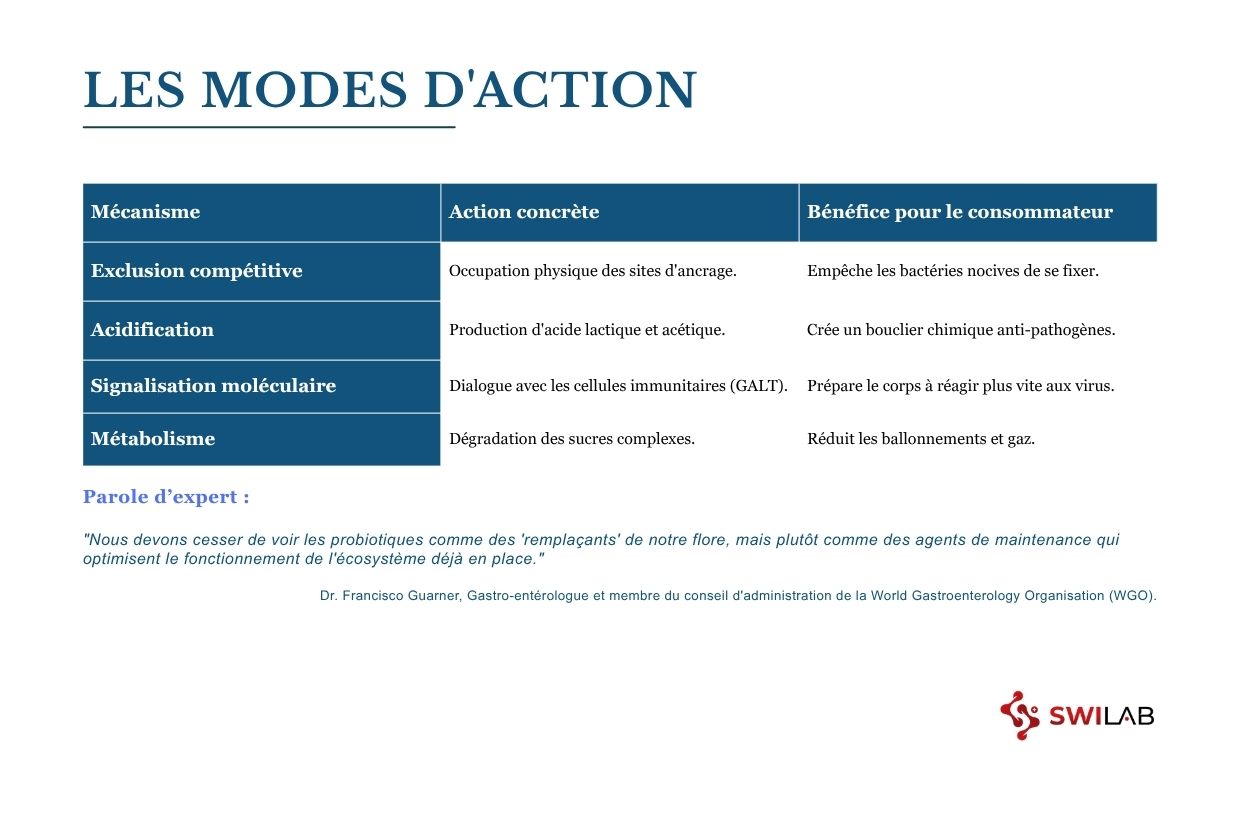
Probiotics interact with the gut flora through three main actions: supporting microbial diversity, aiding the restoration of gut flora after dysbiosis, and restoring the natural balance of gut bacteria. The intestine is a thriving ecosystem where every bacterial species has its place. Probiotic supplementation works in symbiosis with this environment, particularly when the balance has been disturbed by antibiotics, illness or diet[2].
How probiotics interact with the gut
Here are a few mechanisms by which probiotics interact with the gut flora:
- Competition for nutrients: probiotics compete with pathogenic bacteria for the resources available, reducing their proliferation.
- Secretion of antimicrobial substances: certain strains produce bacteriocins, peptides able to inhibit the growth of harmful microbes.
- Reinforcement of the intestinal barrier: by stimulating mucus production and fortifying the tight junctions between epithelial cells, they prevent excessive permeability: known as “leaky gut”.
Have you ever noticed an improvement in digestive comfort after adding probiotics to your diet? It may well be the direct result of these beneficial interactions[9]. Each probiotic strain has its own specificity, and it is essential to pick the ones best matched to your personal needs to optimise your gut health.
Concrete examples of positive interactions
Lactobacillus rhamnosus GG is one of the most studied Lactobacillus species for its effects on digestive health. It supports better nutrient absorption and stimulates the activity of immune cells in the gut. Clinical research has explored this strain in irritable bowel syndrome (IBS)[9]; a separate meta-analysis reports that some probiotic strains may reduce the risk of Clostridioides difficile-associated diarrhoea[5].
Regularly bringing well-chosen probiotics into your routine can therefore transform your daily digestive experience. That said, it is crucial to take a personalised, informed approach so these invisible allies can fully play their part within your gut microbiota.
What is the probiotic’s role in strengthening the intestinal barrier?

Probiotics strengthen the intestinal barrier by stimulating mucus secretion and the expression of tight-junction proteins that seal epithelial cells together[1]. The cells lining the gastrointestinal tract form a protective wall against pathogens and toxins; probiotic products, as live microorganisms that provide health benefits, directly reinforce this wall.
Reinforcement mechanisms
Probiotics stimulate mucus production by intestinal cells, creating an additional layer of protection. This mucus acts as a viscous bulwark that prevents harmful bacteria from sticking to the intestinal walls. In addition, certain probiotic strains promote the expression of tight-junction proteins, which firmly weld epithelial cells together[3]:
- Occludin: a key protein in the regulation of tight junctions.
- Claudin: helps reinforce cellular tightness.
- Zonula occludens-1 (ZO-1): essential for maintaining the structural integrity of tight junctions.
Improving these molecular structures limits intestinal permeability, often called “leaky gut”, and therefore reduces the risk of chronic inflammation.
Examples from clinical research
Meta-analysis evidence has shown that strains such as Lactobacillus rhamnosus GG or Bifidobacterium longum, delivered through dietary supplements or fermented milk, may ease certain digestive symptoms by strengthening the intestinal barrier[3]. Researchers are testing similar mechanisms in chronic health conditions such as inflammatory bowel disease, including Crohn’s disease and ulcerative colitis[3]. The targeted use of probiotics and prebiotics together is a promising avenue still being mapped out[9].
How do probiotics help modulate the immune response?
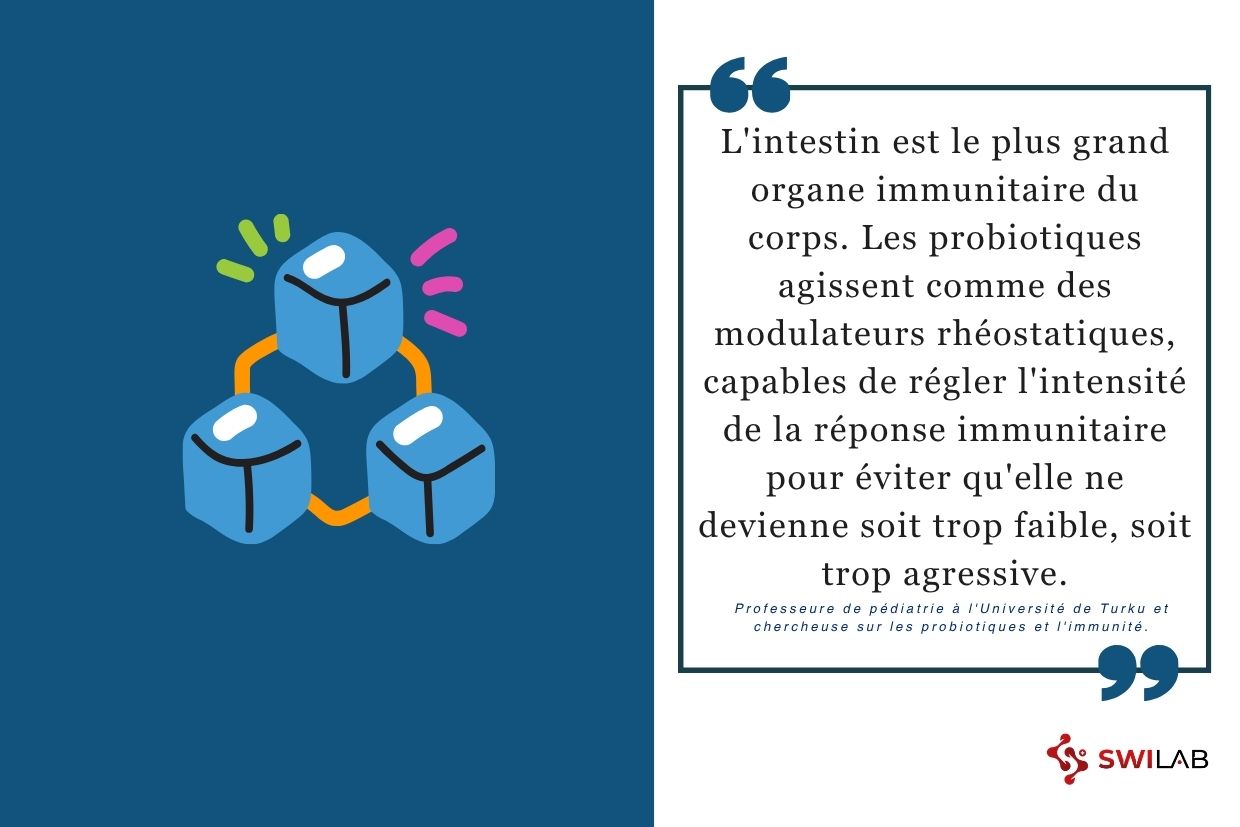
Probiotics modulate the immune response by interacting with gut-resident immune cells, macrophages and T lymphocytes, and stimulating the production of anti-inflammatory cytokines[4]. The result is a more balanced immune system that neither under-reacts to pathogens nor over-reacts to harmless food antigens. This homeostatic role is essential for overall health.
How probiotics act on immunity
Probiotics act on several levels to reinforce our natural defences:
- Cellular interaction: they bind to receptors on intestinal epithelial cells, activating signalling pathways that foster a balanced immune response.
- Metabolite production: these bacteria produce short-chain fatty acids such as butyrate, which have a beneficial effect on intestinal permeability and systemic inflammation.
- Synthesis of antimicrobial peptides: probiotics encourage the production of these peptides by intestinal cells to fight pathogens effectively.
- Antibody and immune-cell activation: they also influence the production of antibodies and modulate the activity of immune cells in gut-associated lymphoid tissue (GALT).
Have you ever noticed that some people fall ill less often than others during the cold season? It may be linked to a resilient gut microbiota reinforced by regular probiotic intake: whose metabolites such as butyrate exert a well-documented anti-inflammatory action[8]. That said, it is important to choose strains suited to your individual needs. For example, Lactobacillus rhamnosus GG and Bifidobacterium lactis are often recommended for their well-tolerated safety profile and their ability to stimulate immunity in most users.
Thoughtfully integrating these microscopic allies into your daily diet may well be the key to a robust and vigilant immune system. So why not explore this promising avenue to improve your overall well-being?
How do probiotics curb pathogenic bacteria?

Probiotics curb pathogenic bacteria through competition for nutrients and space, secretion of bacteriocins, and the production of organic acids that lower intestinal pH below the survival threshold of harmful microbes. These beneficial microorganisms colonise the intestinal mucosa, forming a protective layer that limits the adhesion and growth of pathogens.
How probiotics act against pathogens
Probiotics secrete a range of antimicrobial substances such as bacteriocins and organic acids, which create an inhospitable environment for harmful microbes[9]. For example, lactic acid produced by certain Lactobacillus strains lowers intestinal pH, making it difficult for unwanted bacteria to survive.
Here are some of the key substances produced by probiotics:
- Bacteriocins: peptides produced by bacteria that specifically inhibit other bacterial strains.
- Organic acids: such as acetic acid and propionic acid, which lower intestinal pH.
- Competition: for essential nutrients and for the available space on the intestinal mucosa.
A concrete example: Clostridioides difficile
One of the well-known applications of probiotics’ antagonistic power is their ability to fight Clostridioides difficile, a bacterium responsible for severe colon infections and a major driver of antibiotic-associated diarrhoea. When co-administered with antibiotics, certain probiotic strains, including the yeast Saccharomyces boulardii, may help reduce the risk of C. difficile-associated diarrhoea, with the clearest benefit in patients at high baseline risk[5]. This illustrates their potential as an adjunct in preventing this hospital-acquired infection.
Have you ever considered bringing these microscopic allies into your daily routine to reinforce your natural defences? Current research keeps probing their remarkable capabilities, opening up new and compelling therapeutic perspectives.
How do probiotics influence essential vitamin production?
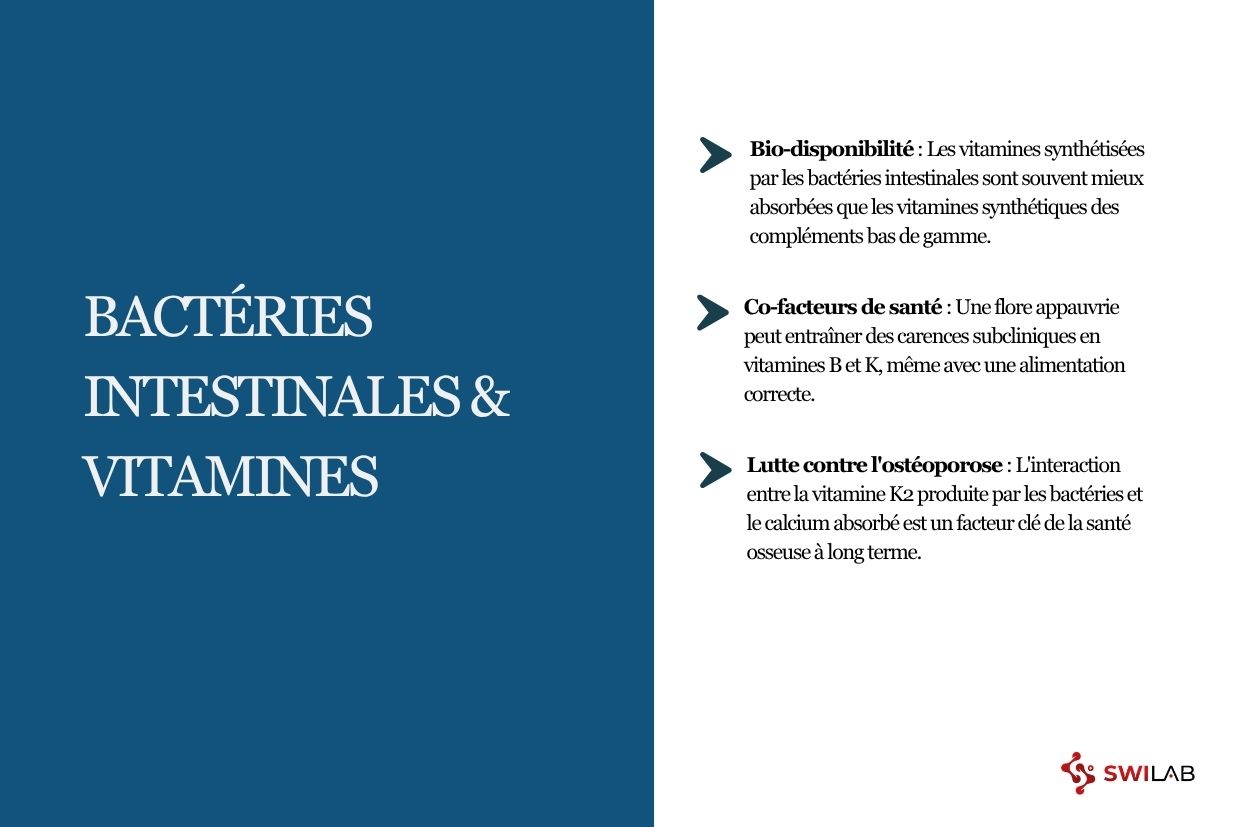
Probiotics produce essential vitamins inside the colon, notably B-complex vitamins (B2, B9, B12) and vitamin K2, through the metabolic activity of strains such as Lactobacillus and Bifidobacterium[6]. These probiotic bacteria convert dietary precursors into indispensable micronutrients that the human body cannot synthesise on its own.
Synthesis of vitamin B12 and other B-complex vitamins
Vitamin B12, essential for red blood cell formation and proper neurological function, is partially synthesised by certain probiotic strains. These microorganisms convert dietary precursors into bioactive forms of this vital vitamin. In addition, other B-complex vitamins such as riboflavin (B2) or folic acid (B9) become more bioavailable thanks to the metabolic activity of probiotics[7]. Could this be why a balanced gut flora is so often associated with better overall health?
A crucial role in vitamin K production
Beyond B vitamins, probiotics also contribute to the production of vitamin K, indispensable for blood clotting and bone metabolism. Gut bacteria convert certain dietary substances into menaquinones (vitamin K2), a form particularly bioavailable to the human body. This symbiotic interaction highlights the importance of a diverse gut flora for maintaining adequate levels of critical nutrients.
Could the regular integration of well-chosen probiotic supplements into your diet then be an effective lever for optimising your vitamin status? Yes: and the same Lactobacillus and Bifidobacterium strains also interact with bile acid metabolism in the gut[7]. That said, every probiotic supplementation should be assessed with good judgement and aligned with your specific needs.
How do probiotics influence the digestion of complex fibres?
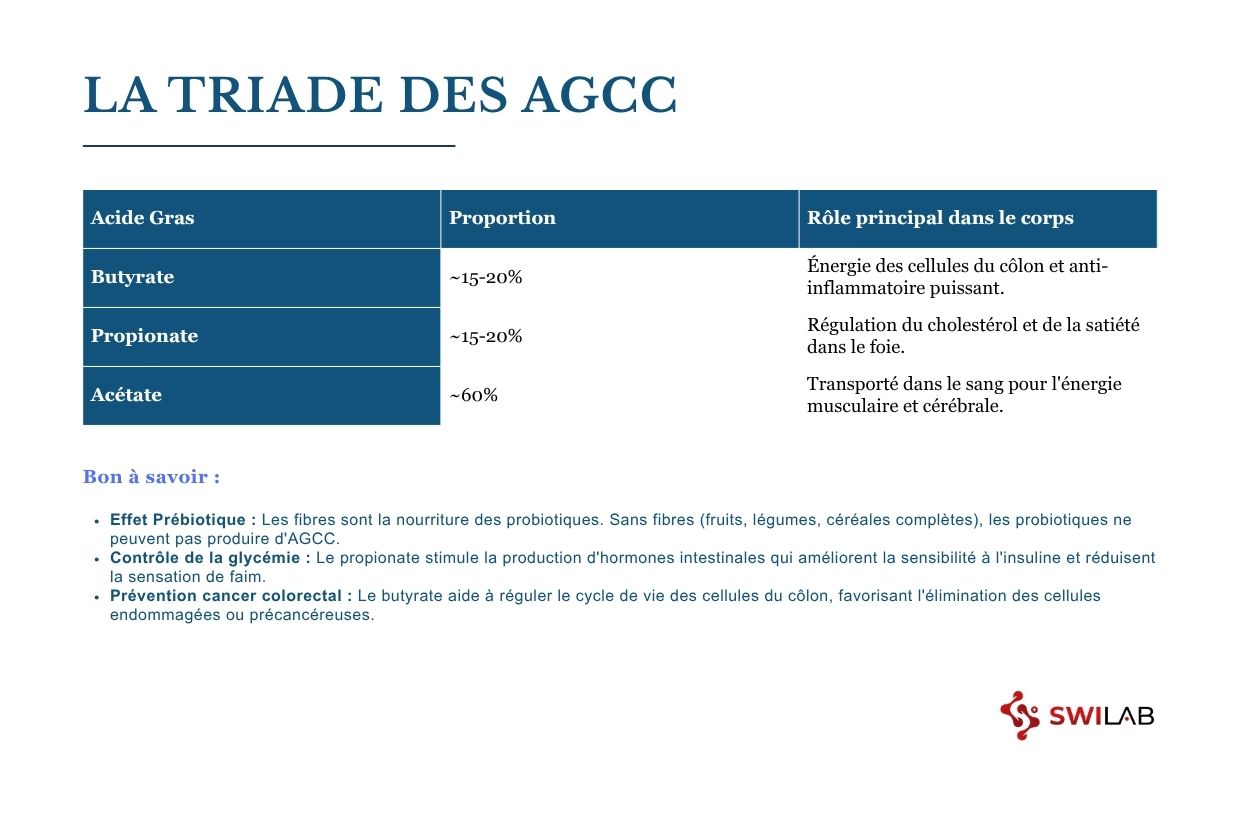
Probiotics ferment complex fibres that human enzymes cannot break down, fibres from pulses, whole grains and many vegetables, and convert them into short-chain fatty acids (butyrate, acetate, propionate)[8]. This fibre-fermenting capacity turns what would otherwise be a digestive challenge into an opportunity for your gut microbiota.
Breaking down fibres
Probiotics break down complex fibres into short-chain fatty acids (SCFAs) thanks to their specific enzymatic activity[8]. These SCFAs are not only an energy source for your intestinal cells; they also help maintain the integrity of the intestinal mucosa[7]. Think of them as meticulous craftsmen working to reinforce the foundations of your intestinal home.
- Butyrate: known for its anti-inflammatory properties and its role studied in colorectal cancer research.
- Acetate: contributes to the body’s overall energy homeostasis.
- Propionate: involved in hepatic metabolism and blood-sugar regulation.
Microbiota equilibrium
The synergistic effect of probiotics on fibres also helps balance your gut microbiota. By promoting the growth of beneficial bacteria such as Lactobacillus and Bifidobacterium, they help prevent dysbiosis: the condition in which microbial balance is disrupted to the detriment of your digestive health. Have you ever noticed an improvement in intestinal comfort after bringing more fibres and probiotics into your diet? It is no coincidence.
Impact on overall health
Improved fibre digestion by probiotics is not limited to better intestinal transit. It also has positive ripple effects on general health: gut health and mental health are intertwined via the gut-brain axis, while immunity and weight management are among the metabolic processes shaped by a steady supply of SCFAs[8]. Pairing fibre-rich sources with dairy products and fermented foods, yogurt, sauerkraut, kimchi, alongside an adequate probiotic intake is a sound strategy for digestive and overall well-being.
Let us not forget, however, that every person is unique; it is therefore essential to choose the probiotic intake best suited to your specific needs and, if necessary, to consult with a healthcare professional for personalized advice.
Frequently asked questions on how probiotics work
How do probiotics work?
Probiotics work by colonising the gut and acting on six fronts: restoring gut flora balance, inhibiting pathogenic bacteria, reinforcing the gut barrier, modulating immune cells, synthesising vitamins (B-complex, K2) and fermenting fibres into short-chain fatty acids. Live microorganisms taken in adequate amounts confer health benefits on the host: for example, SwiLab probiotic supplements contain specific strains targeting precise needs.
What are the benefits of probiotics for digestion?
Probiotics improve digestion in three ways: they reinforce the intestinal barrier, support nutrient breakdown and produce short-chain fatty acids that fuel intestinal cells. Clinical studies report that probiotic strains can reduce symptoms of common digestive issues and digestive disorders: bloating, constipation and irritable bowel syndrome (IBS). SwiLab probiotic supplements are formulated to maximise these benefits with strains suited to digestion.
Can probiotics be taken daily?
Yes, daily probiotic supplements are generally safe for healthy people, as long as you respect the recommended dosage and follow the specific instructions on the product. Some probiotic products, including those in the SwiLab range, are designed for long-term use to help maintain microbiota balance, safety and good digestive health.
Can probiotics strengthen the immune system?
Yes, probiotics can help support the immune system. They colonise the gut with beneficial bacteria that may help prevent the growth of harmful microorganisms. Peer-reviewed research published on resources such as the Mayo Clinic health library has documented that some strains influence the production of antibodies and the activity of immune cells. SwiLab probiotic supplements may contain targeted strains able to stimulate the immune response in a natural and effective way.
What is SwiLab’s role in probiotic research?
SwiLab develops dietary supplements grounded in clinical studies and peer-reviewed scientific literature, in close collaboration with biotechnology experts. Health claims on SwiLab products comply with the Swiss food-supplement labelling framework (OSAv) and rely on documented evidence from controlled trials.
Sources and references
9 sources- Hill C., Guarner F., Reid G. et al., Expert consensus document: the ISAPP consensus statement on the scope and appropriate use of the term probiotic
- Gomaa E.Z., Human gut microbiota/microbiome in health and diseases: a review
- Rose E.C., Odle J., Blikslager A.T., Ziegler A.L., Probiotics, prebiotics and epithelial tight junctions: a promising approach to modulate intestinal barrier function
- Mazziotta C., Tognon M., Martini F. et al., Probiotics mechanism of action on immune cells and beneficial effects on human health
- Goldenberg J.Z., Yap C., Lytvyn L. et al., Probiotics for the prevention of Clostridium difficile-associated diarrhea in adults and children
- LeBlanc J.G., Milani C., de Giori G.S. et al., Bacteria as vitamin suppliers to their host: a gut microbiota perspective
- Ramakrishna B.S., Role of the gut microbiota in human nutrition and metabolism
- Blaak E.E., Canfora E.E., Theis S. et al., Short chain fatty acids in human gut and metabolic health
- Yadav M.K., Kumari I., Singh B. et al., Probiotics, prebiotics and synbiotics: safe options for next-generation therapeutics